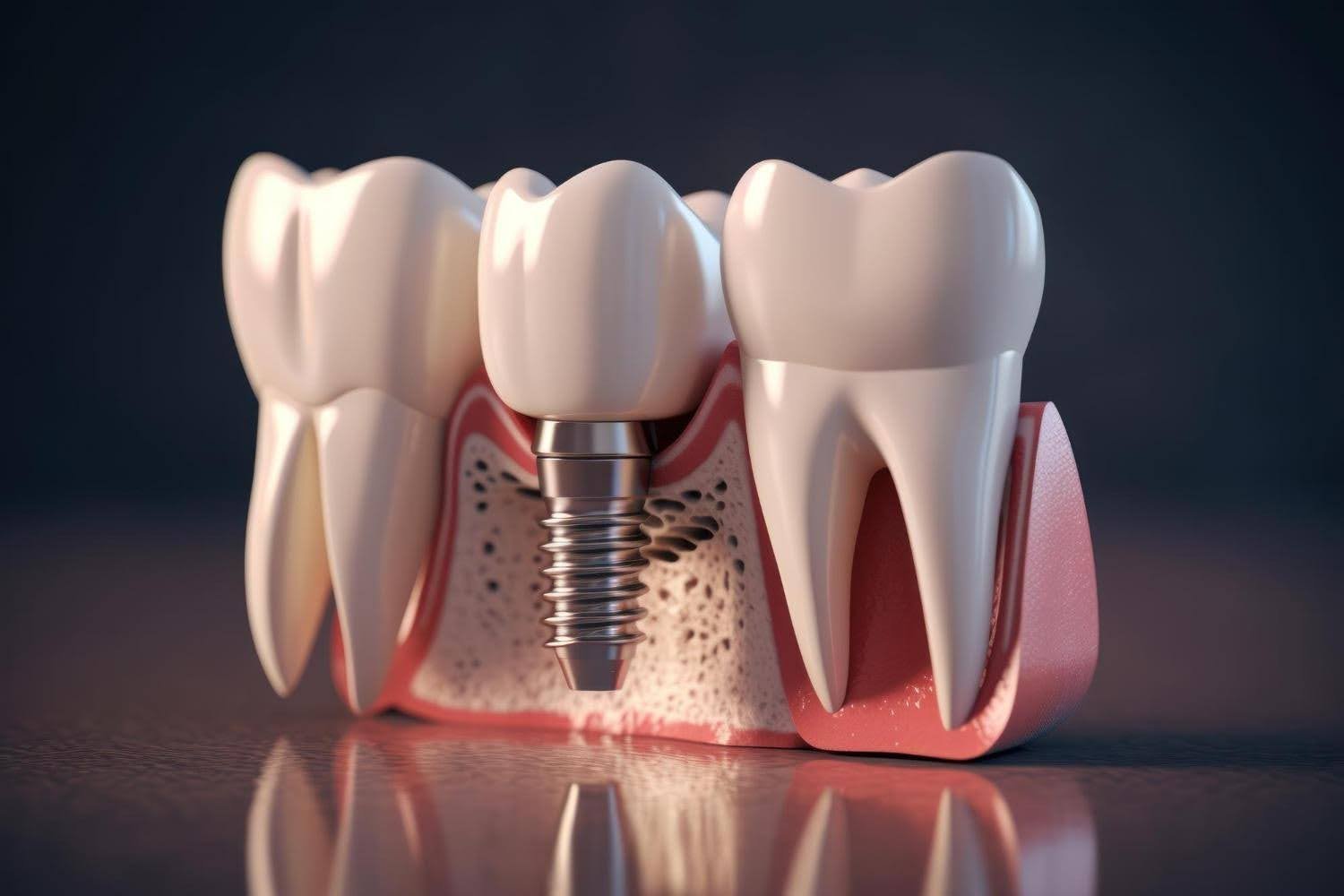
I have noticed something about the way I search for dentists. I start with the same three words almost every time: dental implants near me.
It feels sensible. I want somewhere close enough that getting to appointments isn’t a chore. I want decent reviews. I want a practice that looks professional. Ideally, I want to know roughly what I’m getting into before I pick up the phone. So I open Google.
Then the slightly ridiculous part begins. I compare distances. I read reviews. I look at photographs. I open one website, then another. Ten minutes later, I have somehow learnt far more about dental practices than I intended to.
And yet, I still haven’t answered the most important question.
What will actually matter once I become a patient?
A map can only tell you so much
If I were choosing somewhere to have my hair cut, distance might be enough. Dental treatment feels different, particularly when an implant is involved.
There may be an assessment first. The dentist may need to examine the gums and surrounding teeth and look at the available bone. Imaging can also be needed to understand the area properly before treatment is planned. That makes the word “near” slightly less useful.
If I’m likely to have several appointments, I certainly don’t want to spend hours travelling. But I also don’t want to choose somewhere simply because Google says it is two miles closer. Convenience is about more than mileage. It can mean being able to have the relevant assessment, treatment and follow-up in a place that works for me.
I started looking for the details behind the treatment
This is where I think practice websites become much more useful. Instead of reading the homepage like an advert, I started looking for specific information.
Who carries out implant treatment?
What sort of imaging is available?
What happens at the consultation?
Does the practice deal with more straightforward cases as well as more complex ones?
What happens if additional treatment is needed?
Those questions tell me more than a sentence saying that a practice uses “the latest technology”.
For example, while looking around Whitefield, I noticed that Whitefield Dental lists CBCT scans as part of its implant consultation and planning service. Its team also includes an implantologist and oral surgeon who lists 3D planning, bone grafting and several forms of implant treatment among his clinical work.
That doesn’t tell me whether the practice would be right for my particular case. It does tell me something useful about what I could ask during a consultation.
Then I changed the way I read reviews
This was probably the biggest shift. I used to look at the star rating first. Now I tend to read the actual comments.
A review saying “brilliant dentist” is pleasant to see, but it doesn’t give me much to work with. A patient describing how a complicated treatment was explained, or how their concerns were handled, gives me more context.
I’m still careful with reviews, though. Someone else’s experience isn’t a guarantee of mine.
The person leaving the review may have needed completely different treatment. They may have different expectations. Even the same dentist can have two patients walk away with very different impressions. So I treat reviews as another piece of information, not a final verdict.
What would make me comfortable asking questions?
This is the part I don’t think a search engine can measure at all. Imagine sitting in a consultation and not understanding something. Would I feel comfortable saying:
“Can you explain that again?”
“Why do I need this scan?”
“Are there other options?”
“What happens if I decide not to go ahead yet?”
Those are reasonable questions. Actually, they’re probably better questions than asking how quickly the treatment can be completed.
When I’m spending a significant amount of money on dental treatment, I don’t want to nod along because I’m embarrassed that I don’t understand the terminology. I want to leave knowing what has been recommended and why.
The technology matters, but the reason matters more
CBCT is a good example. It sounds technical until you understand why it is being used. A CBCT scan creates three-dimensional images of oral structures. In implant planning, that additional information can help the clinician assess the area being considered and plan treatment more precisely.
Whitefield Dental describes its CBCT imaging as part of its implant assessment and also operates as an imaging referral centre for OPG and CBCT scans.
For me, that is more useful than simply seeing “CBCT” listed under a technology heading. I’d want the dentist to explain what the scan shows in my case. Technology is valuable when it helps me understand a decision, not simply when it makes a practice website sound impressive.
I wouldn’t ignore location, either
After all that, I still come back to the original reason I searched “near me”. Location matters.
Whitefield Dental is on Radcliffe New Road in Whitefield, Manchester, so someone living locally may find the practice practical for appointments and follow-up. Its current opening hours also include weekday and Saturday appointments, with Saturday visits available by pre-booking.
That’s useful information. But it shouldn’t be the only information. If a treatment involves several visits, I want a practice that I can realistically keep returning to. At the same time, I want to know that the people treating me have the relevant experience and that the assessment is thorough. Those things have to work together.
So I think “near me” is only the beginning
I still use Google.
I still check the distance.
I still read reviews.
I just don’t stop there anymore.
If I’m considering implant treatment, I’d look at the clinical team, the assessment process, the imaging available, the questions the practice answers and how comfortable I feel discussing the options.
Then I’d look at the map again. Because being nearby is useful. Being somewhere I feel properly informed and comfortable returning to is much more useful. Google can narrow down the choices. It can’t choose for me.