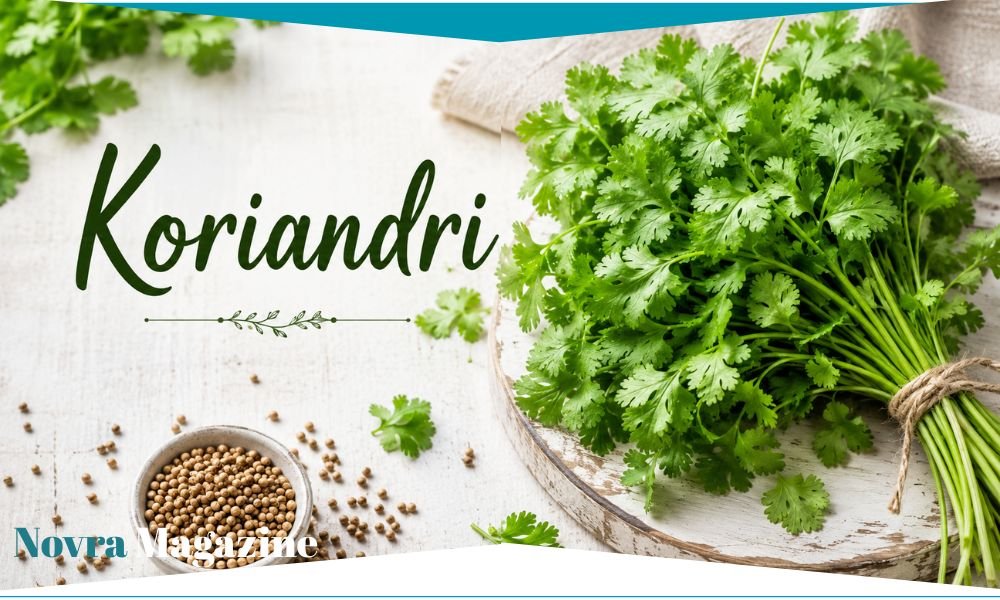
Have you seen the word Koriandri and wondered if it is a rare herb, a new health trend, or simply another name for coriander? The answer is easier than it looks. The official Estonian language dictionary shows that koriandri is a form of the Estonian word koriander, which means coriander. The plant itself is Coriandrum sativum. People around the world eat its fresh leaves, stems, roots, and seeds. However, the names change from place to place, which explains much of the online confusion.
What Is Koriandri?
Koriandri refers to coriander in Estonian language use.
More exactly, the main Estonian word is koriander. Meanwhile, koriandri is one form that appears when the word changes inside a sentence.
In English articles, however, some writers now use Koriandri as if it were another everyday name for the herb.
The plant they mean is usually coriander, or Coriandrum sativum.
So, if you searched for Koriandri because you saw it in a recipe or food article, you are most likely looking for information about coriander.
Is Koriandri the Same as Coriander?
Yes, in the common online use of the term.
Koriandri usually points to the same plant that English speakers call coriander.
The Royal Botanic Gardens, Kew recognizes Coriandrum sativum as an accepted plant species. It belongs to the Apiaceae plant family.
That family also includes several familiar food plants.
For example, carrots, parsley, fennel, and celery belong to the same wider plant family.
However, coriander has a special feature.
People can use several parts of one plant in very different ways.
Why Is It Called Koriandri?
This is where many online articles create confusion.
Some recent websites claim Koriandri comes from Georgian. Others say it is simply a special international name for coriander.
However, the clearest language evidence comes from Estonia.
The Estonian Institute’s dictionary lists koriander as the main word. It also shows koriandri as one of its normal word forms.
So, Koriandri is not a mysterious new plant name.
Instead, it can appear naturally in Estonian sentences about coriander.
English websites have since started using the form by itself.
As a result, people searching in English may now see “Koriandri” used like a brand-new herb name.
What Is the Scientific Name of Koriandri?
The scientific name is Coriandrum sativum.
Scientists use scientific names because common plant names can change between languages and countries.
Kew lists Coriandrum sativum L. as an accepted species. It grows as an annual plant, which means it normally completes its life cycle within one growing season.
In addition, Kew says the plant’s native range stretches from parts of the eastern Mediterranean region toward Pakistan.
People have now introduced and grown it across many other parts of the world.
Therefore, coriander has become a truly global kitchen plant.
Is Koriandri the Same as Cilantro?
Yes and no.
That answer sounds strange, so let’s understand it simply.
Cilantro and coriander come from the same plant.
However, people use the words differently depending on where they live.
In the United States, cilantro usually means the fresh green leaves and stems.
Meanwhile, coriander usually means the dried seeds.
In many other English-speaking places, people simply call both parts coriander.
The U.S. Food and Drug Administration also lists cilantro and Chinese parsley among names linked with Coriandrum sativum.
So, cilantro is not a separate plant.
It is another name connected with coriander.
What Does Fresh Koriandri Look Like?
Fresh coriander has soft green leaves.
At first glance, the leaves can look a little like flat-leaf parsley.
However, the smell usually makes the difference clear.
Coriander has a strong and easy-to-notice scent.
As the plant grows, its leaf shape can also change.
Kew describes the upper leaves as more finely divided than the lower leaves. The plant also produces small pale flowers before it forms seeds.
Later, those flowers give way to the small round fruits that cooks commonly call coriander seeds.
What Does Koriandri Taste Like?
Fresh Koriandri has a bright and strong flavor.
Many people describe fresh coriander leaves as fresh, green, and slightly citrus-like.
However, dried coriander seeds taste quite different.
The seeds have a warmer and softer flavor. People often describe them as slightly nutty with gentle citrus notes.
Because of this difference, a cook can use one plant in two very different ways.
For example, fresh leaves can brighten a salsa or curry.
Meanwhile, ground seeds can add warm flavor to a spice mix.
Why Does Koriandri Taste Like Soap to Some People?
This is one of the most interesting facts about coriander.
Some people love fresh cilantro.
Others say it tastes like soap.
That reaction is not always imagination.
Research has found a link between cilantro taste and genes that help people smell certain chemicals.
A large study found a genetic link near smell-receptor genes, including a receptor called OR6A2. These receptors respond to chemicals called aldehydes, which help create cilantro’s smell.
As a result, some people may notice the soapy part of the smell much more strongly.
However, genes do not explain everything.
Culture, food habits, and past experience may also affect whether someone enjoys cilantro.
Are Koriandri Leaves and Seeds the Same Thing?
They come from the same plant, but cooks use them differently.
Fresh leaves give food a light and sharp taste.
Meanwhile, dried seeds add a warmer flavor.
The texture also changes the way people use them.
Fresh leaves work well when chopped and added near the end of cooking.
On the other hand, cooks can toast, crush, or grind coriander seeds.
Therefore, the same plant can play two very different roles in a kitchen.
How Is Koriandri Used in Cooking?
Koriandri appears in food around the world.
In South Asian cooking, people often add fresh coriander to curries, lentils, rice dishes, chutneys, and snacks.
For example, a cook may sprinkle chopped leaves over a bowl of curry just before serving it.
This gives the dish a fresh smell and color.
Meanwhile, coriander seeds appear in many spice mixes.
People can use them whole or ground.
They often work well with cumin, chili, ginger, turmeric, and other spices.
How Is Koriandri Used in Pakistani and Indian Food?
Coriander is especially familiar across South Asia.
Many people in Pakistan and India know it as dhania.
Fresh dhania often appears on curries, biryani, daal, chaat, kebabs, and salads.
In addition, cooks blend the leaves into green chutney with ingredients such as mint, chili, lemon, or yogurt.
Coriander seeds also play a major role.
Ground coriander can form part of the spice base for curries, meat dishes, and vegetable recipes.
So, Koriandri may sound unfamiliar, but the plant itself is very familiar to millions of South Asian families.
How Is Koriandri Used in Mexican Food?
Fresh cilantro has a major place in many Mexican dishes.
People often add it to tacos, salsa, beans, soups, and guacamole.
Usually, cooks add the herb near the end.
That way, its fresh flavor stays strong.
Meanwhile, cooking it for a long time can make the fresh taste softer.
Therefore, timing matters when using fresh leaves.
How Is Koriandri Used in Other Countries?
Coriander travels well between food cultures.
For example, cooks use it across parts of Southeast Asia, the Middle East, Europe, Latin America, and Africa.
Thai cooking can use leaves, stems, and even roots.
Meanwhile, European recipes may use coriander seeds in bread, sausages, pickles, or drinks.
Kew’s records also show that people now grow the plant in a very large number of countries outside its original range.
This wide spread helps explain why the plant has so many local names.
Is Koriandri Healthy?
Koriandri can fit easily into a balanced diet.
Fresh cilantro contains several vitamins and plant compounds.
For example, Cleveland Clinic notes that cilantro provides vitamins A, C, and K, along with folate and some minerals.
However, people usually eat only a small amount at one time.
So, it should not replace vegetables, fruit, protein, grains, or other important foods.
Instead, think of coriander as a useful way to add flavor and some nutrients to a meal.
Can Koriandri Cure Health Problems?
People have used coriander in traditional health practices for a very long time.
However, that does not mean it can cure diseases.
Some studies have looked at coriander and blood sugar, germs, inflammation, and other health areas.
Still, researchers need more strong human studies before making many of these claims certain. Cleveland Clinic also notes that research into several possible benefits remains ongoing.
Therefore, people should be careful with online claims such as “coriander cures diabetes” or “coriander removes all toxins.”
Those claims go much further than current evidence.
Food can support a healthy diet, but it should not replace medical care.
Is Koriandri Safe to Eat?
For most people, normal food amounts of coriander are generally safe.
The FDA recognizes coriander as a food flavoring ingredient and lists Coriandrum sativum in its food substances database.
However, any food can cause problems for some people.
For example, allergic reactions to coriander have been reported.
Someone who develops swelling, breathing trouble, or another serious reaction after eating a food should get medical help.
Also, using an herb as food is different from taking large amounts as a supplement.
Therefore, people with health problems should speak with a health professional before using concentrated herbal products.
How Should You Wash Fresh Koriandri?
Fresh herbs can carry dirt.
So, wash coriander carefully before eating it.
First, remove damaged or yellow leaves.
Next, rinse the herb under clean running water.
Gently move the leaves with your hands so water can reach between them.
After that, shake away extra water or dry the leaves carefully.
Finally, use a clean knife and cutting board when chopping them.
Simple food hygiene helps make fresh herbs safer to enjoy.
How Do You Store Fresh Koriandri?
Fresh coriander can lose its quality quickly.
However, a few simple steps can help.
First, remove leaves that have already gone bad.
Then, keep the remaining herb cool.
Some people place the stems in a small jar with water and keep the leaves covered loosely in the refrigerator.
Meanwhile, others wrap dry leaves gently and store them in a food container.
The main goal is simple.
Keep the herb cool and avoid leaving it wet and crushed for too long.
How Do You Store Koriandri Seeds?
Dried coriander seeds last much longer than fresh leaves.
Keep them in a clean, tightly closed container.
Also, place the container somewhere cool and dry.
Heat, moisture, and strong light can slowly reduce the flavor.
Whole seeds usually keep their smell better than already-ground spice.
Therefore, some cooks grind only what they need.
This can give food a fresher taste.
Can You Grow Koriandri at Home?
Yes.
Coriander can grow in a home garden or a suitable pot.
Because it is an annual plant, it grows, flowers, forms seeds, and finishes its life cycle fairly quickly.
The plant usually likes good light and soil that drains well.
However, very hot weather can make it flower quickly.
Once it starts flowering, the plant puts more energy into making seeds.
So, people who mainly want fresh leaves often plant small new batches over time.
Can You Grow Koriandri From Coriander Seeds?
Yes, if the seeds can still grow.
Coriander seeds from a garden supplier are usually the safest choice for planting.
Some spice-rack seeds may also grow, but processing and age can lower their chance of success.
After planting, keep the soil lightly moist.
However, do not leave it soaked.
Once small plants appear, give them enough room and light.
Soon, you may have fresh leaves for cooking.
Why Does Koriandri Flower So Quickly?
Coriander can move from leaf growth to flowering quite fast.
Gardeners often call this bolting.
Warm weather can speed up that change.
As a result, the plant may start making flowers and seeds sooner than expected.
This is not a sign that the plant has failed.
Instead, it is part of its natural life cycle.
If you want seeds, flowering is useful.
However, if you mainly want soft leaves, you may prefer younger plants.
What Are Coriander Seeds Used For?
Coriander seeds have many kitchen uses.
People can add whole seeds to pickles, soups, meat dishes, and spice mixes.
Meanwhile, ground coriander works well in curries and seasoning blends.
Some cooks toast the seeds gently before grinding them.
This can make their smell stronger.
However, avoid burning them because burned spices can taste bitter.
A small amount can add a lot of flavor.
Can You Eat Koriandri Roots?
Yes, cooks use coriander roots in some food traditions.
Thai cooking is a well-known example.
The root has a stronger and deeper flavor than the leaves.
Cooks may crush it with garlic, pepper, and other ingredients to make pastes or marinades.
However, supermarkets in some countries sell coriander with the roots already removed.
So, many people never see this part of the plant.
What Is the Difference Between Koriandri and Parsley?
They may look alike, but they are different plants.
Fresh coriander often has rounder, softer-looking leaf edges.
Parsley usually has a different leaf shape and smell.
The easiest test is often the scent.
Coriander gives off a very strong smell when you rub or cut the leaves.
Parsley has its own fresh smell, but it is different.
Their flavors also differ.
Therefore, replacing one with the other will change the taste of a dish.
Is Koriandri the Same as Culantro?
No.
Cilantro and culantro sound almost the same, but they are not the same plant.
Cilantro commonly refers to Coriandrum sativum leaves.
Meanwhile, culantro usually refers to another herb, Eryngium foetidum.
Kew’s plant-name database shows that the word “cilantro” can create naming confusion because people have used similar common names for more than one plant.
So, checking the scientific name can help.
For Koriandri, the plant you normally want is Coriandrum sativum.
Why Is Koriandri Becoming a Popular Search Term?
The answer may come from language and online publishing.
Koriandri appears naturally in Estonian.
However, English websites have started using it as a stand-alone keyword for coriander.
As more articles use the word, more people see it.
Then, some readers search for its meaning.
That creates even more articles.
Therefore, an ordinary word form can suddenly look like a new online trend.
Still, the plant behind the keyword is not new.
Humans have known and used coriander for a very long time.
Are Online Claims About Koriandri Always Correct?
No.
Some websites describe Koriandri as if scientists recently discovered a new herb.
Others give it large medical powers.
A few even disagree about which language the word comes from.
This is why trusted sources matter.
The Estonian Institute clearly explains the word form. Meanwhile, Kew confirms the plant itself as Coriandrum sativum.
Health claims need the same care.
A food can contain useful nutrients without becoming a medicine for every illness.
Therefore, readers should be careful when a website promises a miracle cure.
What Is the Most Accurate Meaning of Koriandri?
The simplest answer is also the strongest one.
Koriandri is connected with the Estonian word for coriander.
The main Estonian form is koriander, while koriandri appears as a changed form of that word in sentences.
In recent English web content, however, Koriandri often appears as another name for coriander itself.
The plant is Coriandrum sativum.
Its fresh leaves may be called cilantro, especially in the United States.
Meanwhile, cooks call its dried fruits or “seeds” coriander seeds.
Once you understand those names, the mystery disappears.
Final Thoughts
Koriandri sounds mysterious at first.
However, the real story is much simpler than many online articles make it seem.
Strong language evidence shows that koriandri is a form of the Estonian word koriander, meaning coriander. Meanwhile, the actual plant is Coriandrum sativum, a well-known herb and spice used around the world.
Fresh leaves give food a bright taste.
Dried seeds offer a warmer flavor.
In addition, different countries use different names, including coriander, cilantro, and dhania.
That naming difference explains much of the confusion.
Koriandri also has an interesting human side.
Some people love its fresh smell, while others think the leaves taste like soap. Research suggests that genes linked with smell can play a role in that reaction.
Most importantly, there is no need to turn Koriandri into a miracle herb.
It is already interesting enough as food.
It brings flavor to dishes across many cultures, grows from a simple seed, and gives cooks both fresh leaves and a useful spice.
Sometimes the real story is better than the internet mystery.
FAQs About Koriandri
What is Koriandri?
Koriandri is linked with the Estonian word for coriander. In English online use, the term usually refers to the coriander plant, Coriandrum sativum.
Is Koriandri the same as coriander?
Yes, when English websites use Koriandri as a herb name, they normally mean coriander.
Is Koriandri the same as cilantro?
They come from the same plant. In the United States, cilantro usually means the fresh leaves and stems, while coriander often means the dried seeds.
What is Koriandri called in Pakistan?
People in Pakistan commonly call coriander dhania. Fresh leaves and ground coriander seeds appear in many local dishes.
Why does Koriandri taste like soap?
Some people notice a soapy taste because of the way they sense chemicals in fresh cilantro. Research has found a genetic link involving smell receptors.
Is Koriandri healthy?
Fresh coriander contains vitamins and plant compounds and can form part of a healthy diet. However, it should not replace a balanced diet or medical treatment.
Can Koriandri cure diseases?
There is not enough strong evidence to call coriander a cure for major diseases. Some possible health effects remain under study.
Can you eat Koriandri seeds?
Yes. People use coriander seeds whole, crushed, or ground in many foods.
Can Koriandri grow at home?
Yes. Coriander is an annual plant, and people can grow it in gardens or suitable pots.
Is Koriandri parsley?
No. Coriander and parsley are different plants, although their fresh leaves can look similar.
What is the scientific name of Koriandri?
The scientific name of coriander is Coriandrum sativum.
Is Koriandri a new herb?
No. The online keyword may look new to some English readers, but coriander itself is a long-known food plant.
For more info, visit novra magazine