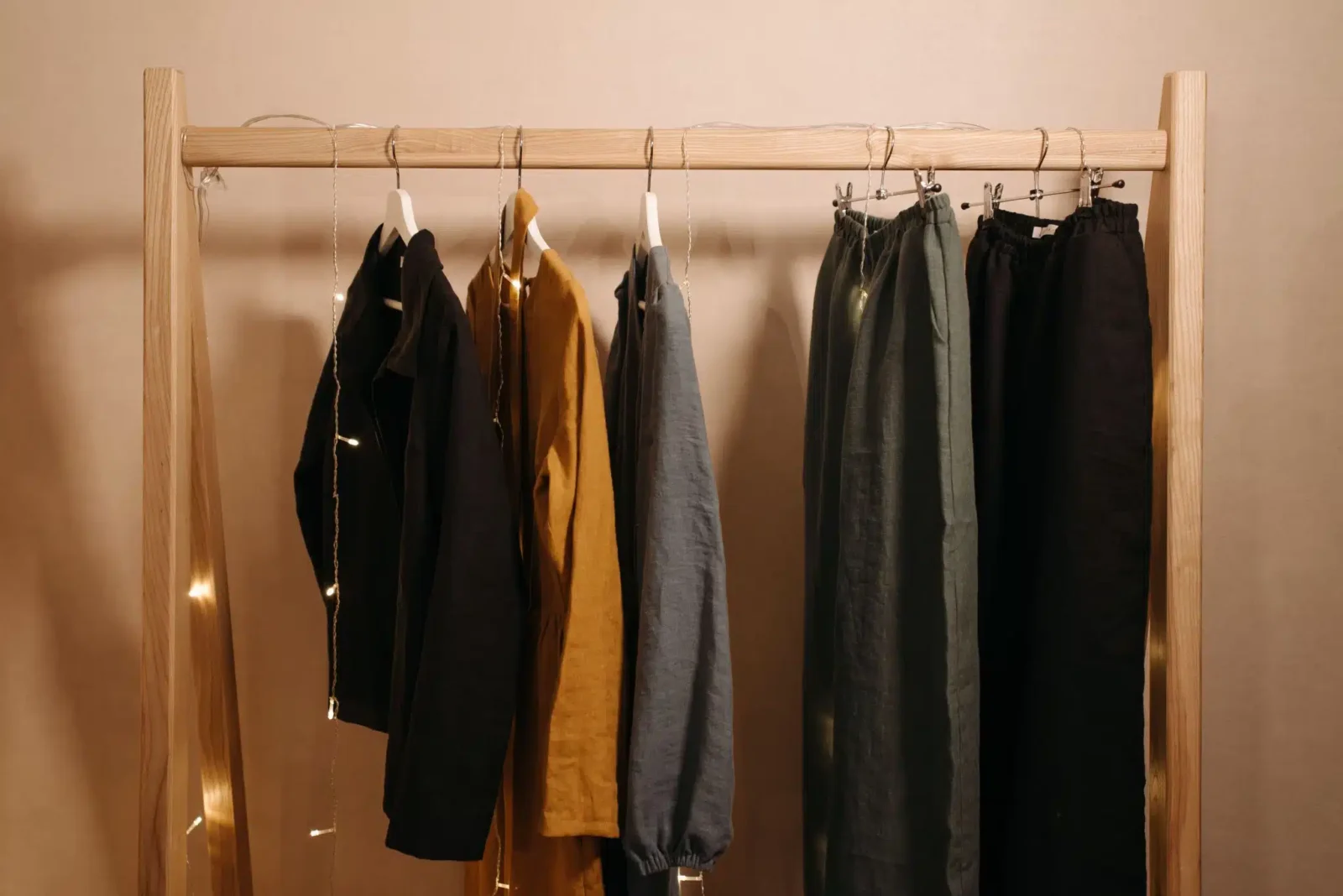
A wardrobe that actually looks put together doesn’t require an unlimited budget. It requires a bit of strategy: knowing which pieces genuinely earn their place, when to spend more, and when spending less makes no real difference to how an outfit looks or lasts.
Spend Where It Actually Shows
Not every item in a wardrobe needs the same budget. Pieces worn constantly and seen up close, an everyday top, a well-fitted bottom, deserve more consideration than something worn once or twice a year. Spreading a fixed budget evenly across every category usually means underspending on the pieces that matter most and overspending on the ones that don’t.
Buy Fewer Things, More Deliberately
A large wardrobe isn’t the same as a good one. Ten pieces that mix and match easily will outperform thirty that don’t, both in how often they get worn and in how much the whole collection actually cost per outfit. Before adding anything new, it’s worth asking whether it pairs with at least three things already owned. If it doesn’t, it’s usually not solving a real gap.
Time Purchases Around Actual Need, Not Impulse
The easiest way to overspend on clothing is buying reactively, picking something up because it’s appealing in the moment rather than because it fills a genuine gap. A more deliberate approach works backwards from what’s actually missing: a breathable option for warmer months, a versatile piece for evenings, something that photographs well for occasions that come up regularly. Shopping with that list in hand, rather than browsing without one, keeps spending focused on pieces that earn their cost.
Watch for Genuine Value, Not Just Low Prices
A lower price only counts as value if the piece would have been bought anyway at full price. Chasing discounts on things that were never actually needed just moves impulse spending into a different column. That said, checking a sale on brands you’d already consider buying from is one of the more reliable ways to stretch a fixed clothing budget further, since the saving applies to a purchase that was already planned rather than one invented to justify the discount.
Prioritise Fabric and Construction Over Logo Recognition
Two pieces can carry a similar price tag while differing enormously in how they hold up. Fabric weight, stitching, and finishing matter more to how long something stays in rotation than the name attached to it. Checking these details before buying, even briefly, tends to prevent the most common budget mistake: paying a mid-range price for something that behaves like a much cheaper one after a few washes.
Reassess the Wardrobe Periodically, Not Just Before a Purchase
A realistic budget isn’t just about what gets bought. It’s also about noticing what’s no longer being worn and understanding why, wrong fit, wrong fabric weight, a color that never quite matched anything else. That information is more useful than any shopping list, since it tells you exactly what gap is actually worth filling with the next purchase.
Building a wardrobe on a realistic budget isn’t about spending less across the board. It’s about spending with more intention, on fewer things, chosen for reasons that hold up well after the purchase, not just in the moment of buying.