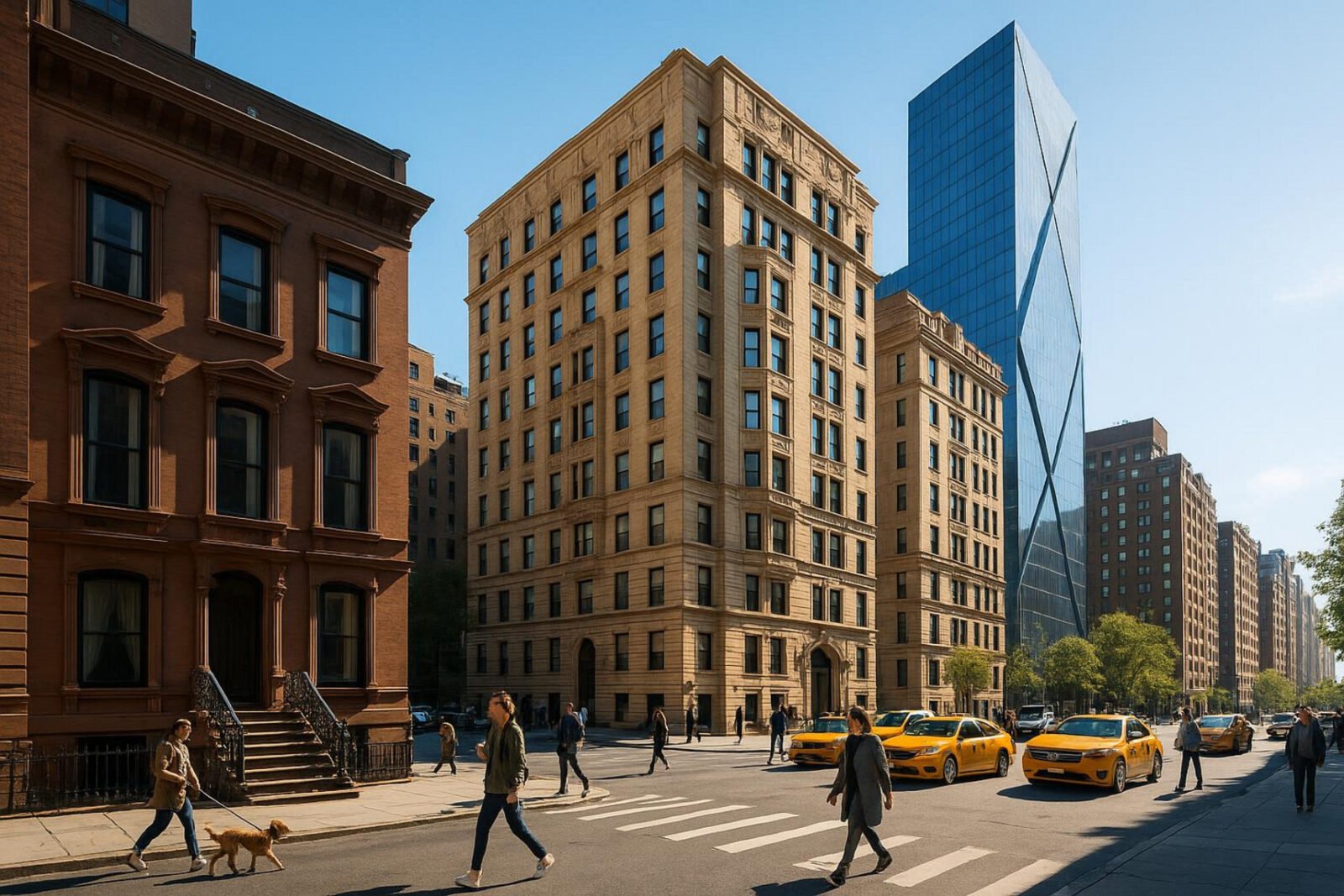
New York City is known for tall buildings, busy streets, and many different types of neighborhoods. That also means property owners and developers face special challenges. So what do construction and property maintenance services mean in NYC? In simple terms, they cover the full life of a building: planning and building it, then keeping it in good shape with ongoing care, repairs, and upgrades.
These services help keep buildings safe, working properly, and in line with city rules that often change. Handling all of this without experienced help can feel overwhelming, which is why many people work with professionals like a Nova Construction company in New York to keep projects and properties running smoothly.
In NYC’s competitive real estate market, the pressure is high. Many buildings are old, city rules are detailed, and residents and tenants expect fast, high-quality service. Good construction and maintenance are more than basic repairs. They include smart planning, careful work, and strong knowledge of local conditions so owners can protect large investments and keep a building operating well for many years.
What Are Construction and Property Maintenance Services in New York City?
In New York City, where space is limited and buildings are close together, construction and property maintenance work hand in hand. Both support a building’s safety, appearance, and daily operation.
Key Definitions: Construction, Property Maintenance, and Building Management
Construction is the work of building something new or making major changes to an existing structure. This can include new buildings, large additions, or major renovations. Construction work is usually a project with a clear start and finish, and it focuses on creating or making big changes to a physical space.
Property maintenance is the ongoing work that keeps a building in good condition. This includes routine upkeep and smaller repairs that help the building stay safe, functional, and up to code. Maintenance is continuous and helps prevent small problems from turning into expensive ones.
Building management is a wider role that often includes maintenance, but also adds administrative and financial responsibilities. In NYC, building management often includes tenant communication, vendor coordination, budget tracking, legal awareness, and quick problem-solving. It’s about keeping the entire property operation organized and stable.
Property Types Served in NYC
NYC has many property types, and each one needs a different approach. Providers may work with:
- Brownstones and walkups
- Pre-war apartment buildings
- Co-ops and condos
- Mixed-use buildings (retail + residential)
- Office buildings and other commercial spaces
- Luxury high-rise towers
A good provider understands that a pre-war building in Queens may need different systems work and a different compliance process than a newer building in Manhattan. Borough and neighborhood knowledge matters a lot in NYC.
Main Differences Between Construction and Maintenance Services
Construction and maintenance both matter, but they work on different timelines and project sizes:
| Area | Construction | Maintenance |
| Type of work | New builds, major changes, large renovations | Upkeep, minor repairs, prevention |
| Timeline | Project-based with an end date | Ongoing and routine |
| Permits and professionals | Often needs permits and Registered Design Professionals (RDPs) | May not need permits unless work crosses into alterations |
| Main goal | Create or make major changes | Keep what exists working well and safe |
Construction might involve opening walls and rebuilding systems. Maintenance focuses on keeping those walls, systems, and equipment working day after day.
Which Services Do Construction and Property Maintenance Providers Offer in NYC?
In NYC, providers often cover a wide range of services because city buildings and rules demand it.
Routine and Preventive Maintenance
Routine maintenance includes the regular work that keeps a property in good shape and helps avoid expensive problems later. This often includes:
- Cleaning common areas (lobbies, hallways, stairs, elevators)
- Landscaping and outdoor upkeep
- Snow removal for safe walkways and entrances
- Regular checks of key systems:
- HVAC
- Plumbing
- Electrical
- Security systems
Some work must be done by licensed professionals, such as boiler repairs and certain plumbing tasks. Elevators also need careful maintenance for safety. Gas piping systems in most buildings must be inspected at least once every four years for safety and compliance.
Emergency Repairs and Response
Emergencies happen at all hours in NYC, so many providers offer 24/7 help. This may include a hotline with staff who can act fast.
Common emergencies include:
- Major leaks and flooding
- Heating failures in winter
- Electrical issues
- Security problems
- Gas service problems
For some urgent work-like restoring gas service-NYC Department of Buildings (DOB) rules may require an Emergency Work Notification or a Limited Alteration Application. This is one reason experienced help matters.
Capital Improvement Projects
Over time, buildings need major upgrades to stay valuable, efficient, and safe. Capital improvement projects can include:
- Roof replacement
- Elevator modernization
- Boiler upgrades
- Large common-area renovations
These projects often need strong budget planning, contractor oversight, and regular progress tracking.
NYC also pushes sustainability upgrades, such as:
- Green roofs
- Solar panels
These can lower energy costs, but professionals must confirm that the roof can handle added weight.
Renovation and Remodeling
Renovations improve how a space looks and works. This can range from small updates to full remodels. For example, even painting can lower energy costs in some cases by reflecting heat.
For larger renovation work, owners often need to speak with a Registered Design Professional (RDP) to confirm whether permits are required and to keep the work code-compliant.
Building Code Compliance Upgrades
NYC rules are detailed and often updated. Many providers help owners keep up with legal requirements, including:
- Local Law 11 (facade inspections)
- Local Law 97 (building emissions limits)
- NYC Energy Conservation Code (required for new construction and major alterations since 2010)
- Local Law 157 of 2016 (natural gas detectors in residential buildings)
Other safety tasks include making sure smoke alarms and carbon monoxide detectors work properly, with batteries replaced twice a year.
Fixing illegal building alterations is also important. Illegal work can lead to DOB violations and Stop Work Orders, and it can create real safety risks.
Pest Control and Hygiene Services
In a dense city, pest control needs regular attention. Ongoing pest services help prevent infestations and support a healthy living environment for residents and staff.
Waste Management and Cleanliness
Trash and recycling must be handled correctly and on time. In many buildings, this includes:
- Regular garbage and recycling removal
- Keeping trash areas clean and sanitary
- Managing porter and janitorial work so common areas stay clean
Cleanliness affects resident satisfaction and public health, so it’s a core part of property upkeep.
What Legal and Regulatory Requirements Affect Construction and Property Maintenance in NYC?
NYC has one of the hardest rule systems for buildings. Following the rules is a major part of both construction and maintenance work.
Understanding NYC Building Codes and Local Laws
Property owners must keep buildings in line with NYC Construction Codes. If they don’t, the results can include violations, large fines, and sometimes even criminal charges.
Rules can come from many places, including:
- Building and maintenance codes
- Zoning rules
- New York State Condominium Act
- NYC Administrative Code (including Chapter 3: Maintenance of Buildings)
Local Law 11 and Facade Inspections
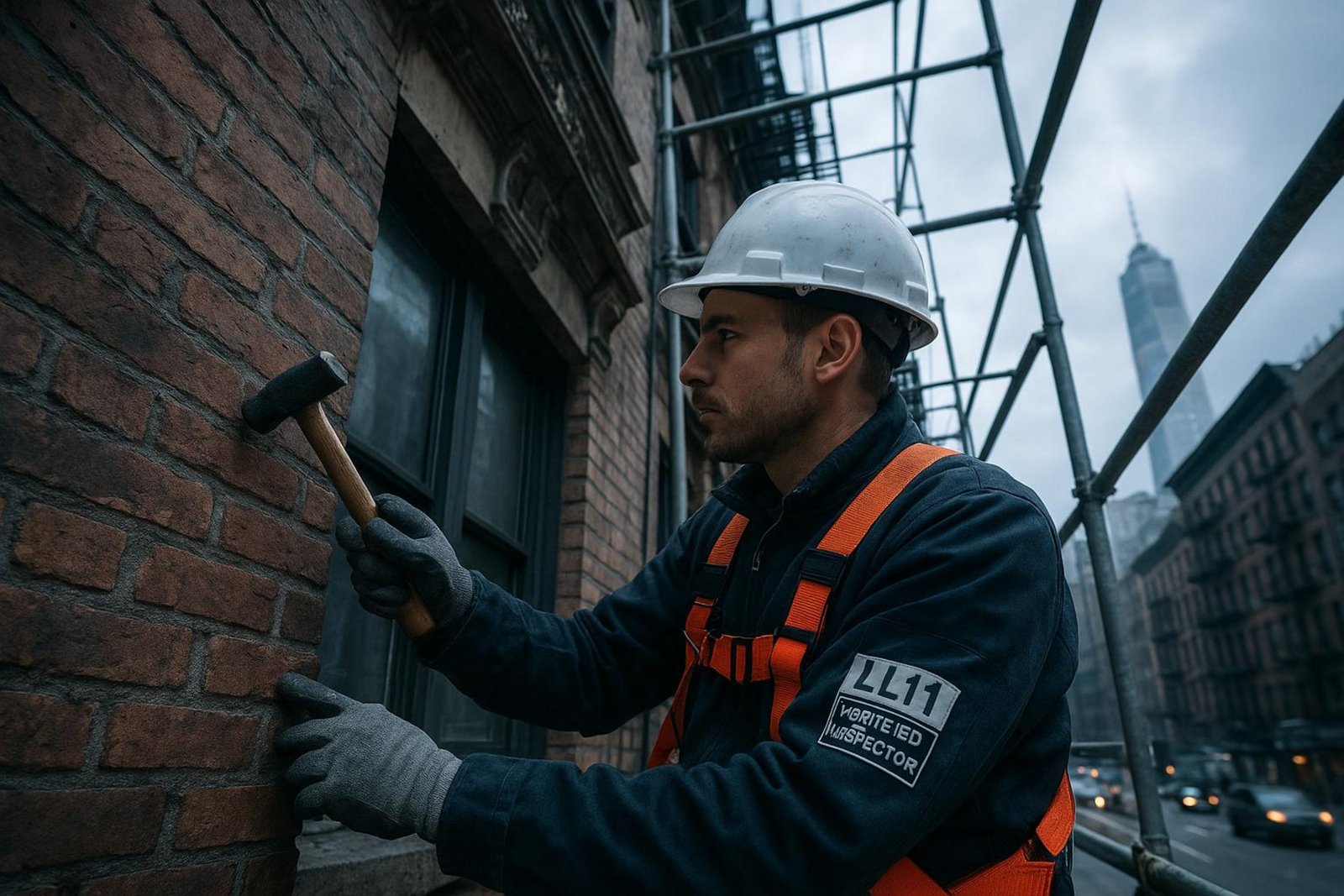
Local Law 11 (Facade Inspection Safety Program / FISP) is a key safety law. Buildings over six stories must have exterior wall inspections every five years by a Qualified Exterior Wall Inspector (QEWI).
If inspectors find unsafe conditions, owners must:
- Put up public protection right away
- Repair unsafe conditions quickly
Missing deadlines can lead to fines of $1,000 per month.
Local Law 97 and Energy Efficiency Compliance
Local Law 97 sets emissions limits for large buildings. Since buildings create a large share of NYC greenhouse gas emissions, energy upgrades and long-term planning matter.
Owners often need help from architects, engineers, and sustainability consultants to meet filing deadlines and avoid penalties. Since 2010, new construction and major alterations also must follow the NYC Energy Conservation Code.
Permitting and Inspection Requirements
In NYC, many building jobs require permits-even some smaller changes. Owners should speak with a Registered Design Professional (RDP) before starting work to confirm if a permit is needed.
Unapproved work can lead to:
- DOB violations
- Stop Work Orders
For plumbing work, owners often must hire a New York State licensed Professional Engineer (PE), Registered Architect (RA), or a DOB-licensed plumber to file permits. Poor plumbing work can be dangerous.
Parking garages (for three or more cars) also need inspections every six years, and any dangerous condition requires quick action and public protection.
Tenant Protection and Rent Stabilization Rules
Owners also have legal duties to tenants. They must provide basic services like heat and hot water.
Rent-regulated buildings must follow:
- Housing Stability and Tenant Protection Act
- Division of Housing and Community Renewal rules
This may involve rent registration, lease renewals, legal rent increases, and tracking improvements that affect rent.
NYC’s multi-lingual Living Safely Campaign also warns about illegal apartments and unsafe conditions, supporting tenant safety across the city.
How Does Construction Management Work in New York City?
Construction management in NYC means running a project under strict rules, tight schedules, and busy job sites. The goal is to guide a project from early planning through final sign-off in a controlled, organized way.
Pre-Construction Planning and Design
Before any work starts, the project needs clear planning. This stage includes:
- Setting project goals
- Building a realistic schedule
- Creating cost estimates
- Hiring the right experts
- Reviewing zoning rules and early approvals
Construction managers work closely with architects and engineers during design so drawings match NYC building and environmental rules. Good planning helps avoid redesigns and permit problems later.
Permitting and Approvals Process
NYC permits can be slow and complicated. Construction managers handle plan submissions to the NYC Department of Buildings (DOB) and other agencies. This is about more than paperwork-it’s about meeting code so the job doesn’t get delayed or shut down.
Selecting and Coordinating Contractors
After approvals, the next step is hiring contractors and ordering materials. In NYC, it helps to choose vendors who know:
- Tight job sites
- Delivery limits and traffic issues
- Local labor rules
Construction managers coordinate different trades, manage contracts, and solve conflicts quickly to keep work moving.
Schedule and Budget Oversight
NYC costs are high, so budget control matters at every step. Managers track spending, manage backup funds for surprises, and keep financial plans up to date.
Schedules must also account for:
- Seasonal weather
- Street and traffic limits
- Material lead times
Managers use scheduling tools and adjust plans as needed to avoid delays and penalties.
On-Site Supervision and Safety Management
During construction, managers oversee daily job site work and handle problems as they come up. NYC job sites often have limited space, so coordination is necessary for both efficiency and safety.
Managers enforce OSHA standards, run safety checks, and use risk-control steps to protect workers, the public, and nearby buildings.
Quality Assurance, Final Inspection, and Project Closeout
Quality checks happen throughout the job. Managers confirm work meets standards and passes required city inspections.
At the end, they handle:
- Final walkthroughs
- Punch-list fixes
- Closeout documents
- DOB final approvals
- Delivery of warranties, manuals, and legal paperwork to the owner
What Are the Challenges Facing Property Maintenance and Construction in NYC?
NYC is active and profitable, but it’s also difficult. Construction and maintenance here come with specific problems that need real experience.
Managing Aging Building Infrastructure
Many NYC buildings are old. Keeping boilers, elevators, facades, and retaining walls in safe condition takes constant attention. Retaining walls can become risky as temperatures change across seasons.
Insurance can also be harder and more expensive for older or higher-risk properties.
Handling Complicated City Rules
NYC has many laws and deadlines. Owners and managers may need to track:
- Local Law 97 emissions limits
- Rent stabilization rules
- FISP / Local Law 11 facade inspections
- Lead paint rules
- Parapet inspections
Missing deadlines (like facade filing dates) can lead to major monthly fines.
Balancing Cost, Quality, and Timelines
NYC labor and materials are expensive, so budgeting has to be tight. Owners also need to plan for:
- Regular operating costs
- Seasonal work
- Major upgrades and long-term repairs
Small costs can add up fast-leaks, inefficient systems, and poor tracking can slowly drain money over time.
Coordinating Access in Occupied Properties
Many jobs happen while tenants are living or working in the building. That creates challenges like:
- Limited space for materials and equipment
- Safety concerns
- Noise and disruption
- Scheduling access to units and common areas
Clear communication with boards, tenants, and residents helps reduce conflict and delays.
Responding to Weather and Environmental Factors
NYC weather affects schedules and building wear. Winter storms, summer heat, and heavy rain can all change timelines and maintenance needs.
Environmental rules like Local Law 97 also push buildings to upgrade. Owners can reduce risk by weatherizing before seasons shift, which can also lower energy use and prevent damage.
What Benefits Do Professional Construction and Maintenance Services Provide?
Using professional teams in NYC is a practical investment. It can protect property value, reduce risk, and keep operations stable.
Reliability and Fewer Emergencies
Regular maintenance and timely repairs lower the chance of major breakdowns. Ongoing inspections help keep HVAC, plumbing, and elevators running well. Many providers also offer 24/7 emergency support, so problems get handled quickly when they happen.
Better Property Value and Happier Tenants
Well-kept buildings usually hold value better. Clean, safe common areas and fast repairs also improve tenant satisfaction. When people feel supported, there are fewer complaints and better tenant retention, which helps the building’s reputation.
Steady Code and Legal Compliance
NYC rules are hard to follow without help. Professional providers coordinate inspections, file documents, and fix violations quickly. This reduces the risk of fines, delays, and legal trouble tied to non-compliance.
Faster Projects and Better Cost Control
Good project and property management includes budgeting, expense tracking, and vendor negotiation. Managers use tools like digital work order systems and tracking reports to control costs and spot issues early, helping avoid slow, untracked spending.
How Should You Choose a Construction or Property Maintenance Provider in NYC?
Picking the right provider can affect your budget, building condition, and stress level. It’s worth doing careful research.
Evaluating Experience with NYC Properties
NYC is very different from other markets. Look for a provider with experience across multiple NYC property types and a history of work in different boroughs. Local knowledge can help avoid common mistakes and speed up problem-solving.
Reviewing Service Range and Response Time
A strong provider covers more than basic repairs. Check that they offer what you need, such as:
- Routine maintenance
- Emergency service
- Capital project planning
- Compliance support
Response time also matters. Ask about 24/7 hotlines, response rules, and whether they use work order systems that track requests and updates.
Checking References and Compliance History
Ask for referrals from people you trust. You can also check reviews on:
- CooperatorNY
- Yelp
- Google My Business
- Better Business Bureau
Confirm licenses and credentials through the New York Department of State. A reliable firm should also be open about past issues and how they were resolved.
Communication, Reporting, and Transparency
Clear communication is one of the biggest reasons people keep or change providers. A good company shares updates, attends meetings when needed, answers residents, and provides regular building and financial reports. Clear reporting builds trust.
Understanding Fees and Contracts
Before signing, review the fee structure and the contract in detail. Compare providers and watch for extra charges that should be included. Review the contract with your attorney so the terms match your needs and expectations.
Conclusion
In New York City, construction and property maintenance services do much more than build and fix. They help owners, developers, and boards keep buildings safe, legal, and running well in a demanding market. Hiring experienced professionals is a smart step to protect a property for the long term.
City rules change often, many buildings are aging, and resident expectations are high. Choosing a provider with strong NYC experience, fast response, and clear communication helps owners stay compliant, avoid costly surprises, and keep properties in strong condition for years ahead.
Frequently Asked Questions About Construction and Property Maintenance in NYC
NYC property ownership often brings lots of questions. Here are common ones.
Why Do NYC Properties Require Specialized Maintenance?
Many NYC buildings are old and need experienced care. The city is crowded, so logistics are harder and work must limit disruption. NYC rules also change often, and tenants usually expect fast service. Maintenance here is about more than repairs-it’s about managing a busy environment safely.
Who Is Responsible for Regulatory Compliance?
The owner is legally responsible, but property and construction managers often handle the work in practice. They schedule inspections, file paperwork, and address violations. DOB also enforces many safety and climate rules. Owners still carry the responsibility, but managers help keep everything on track.
How Do Emergency Maintenance Calls Work?
Many companies provide a 24/7 emergency line. When a serious issue is reported (like a gas smell, major leak, or security problem), the team sends qualified help, contacts emergency services if needed, and keeps residents informed. Many buildings also use emergency plans to reduce damage during larger events.
What’s the Difference Between Residential and Commercial Maintenance?
Commercial properties often have larger systems, more regulations, and more complex scheduling. Residential maintenance usually focuses more on daily living needs, tenant communication, and rent-regulated rules when they apply. Commercial work often focuses on keeping business operations running and maintaining a professional appearance. Both still require safety, compliance, and long-term care.
How Can Owners Prepare for Annual Inspections?
Owners can prepare by keeping a steady maintenance plan all year and keeping good records (logs, contracts, past filings). Schedule specialty inspections early-like facade checks, gas piping inspections, and garage inspections. Also confirm smoke and carbon monoxide detectors work, and replace batteries twice per year.