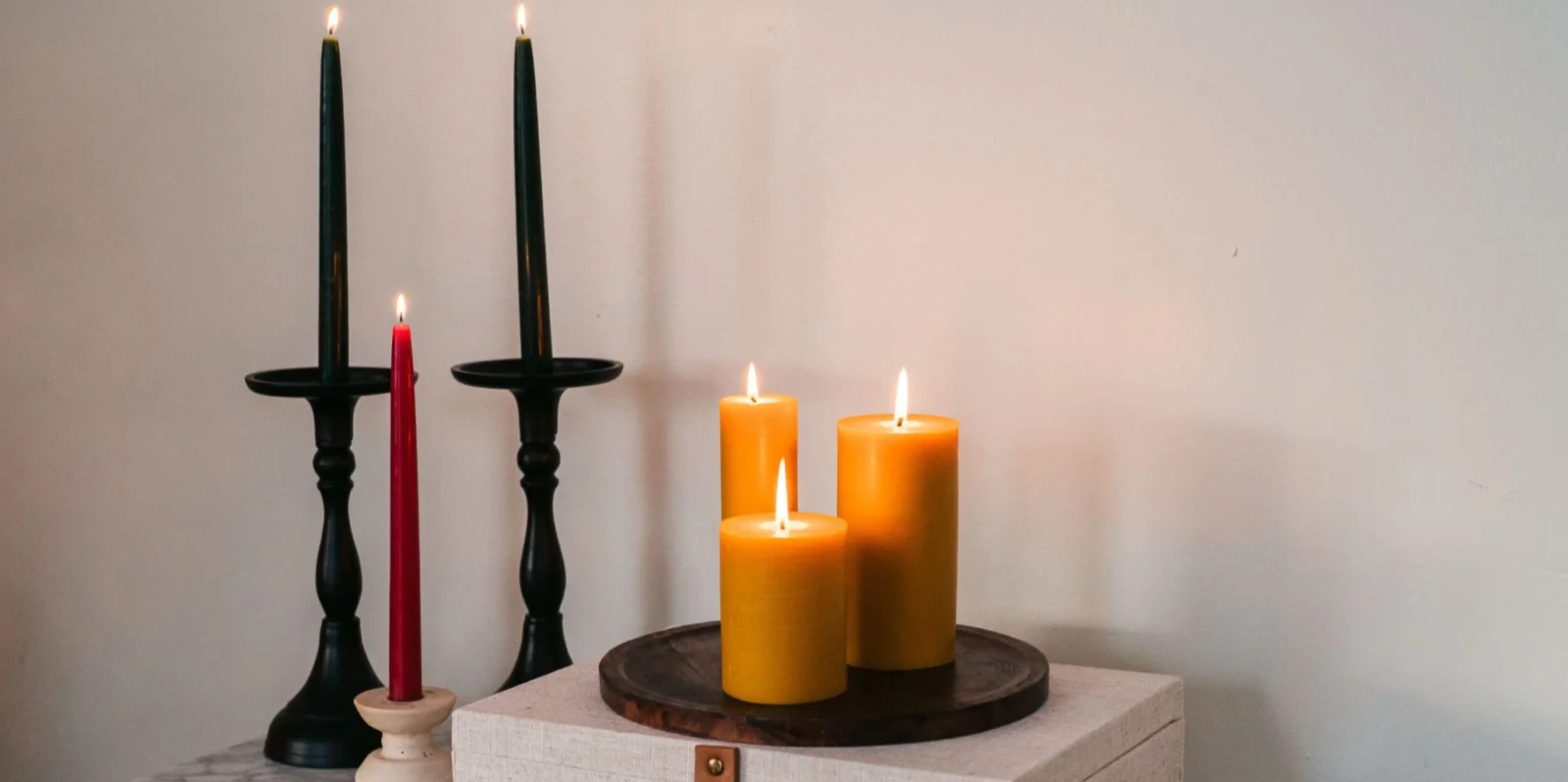
There is a moment, just as the sun dips low and the church bells begin their slow toll, when the first candle is lit. Then the second. Then a whole line of them, dozens strong, carried out through the doors and into the street. I have stood in more than one piazza watching this unfold, and I will tell you, nothing quite prepares you for how a simple flame can hush a crowd. Choosing the right candles for procession is not a small detail tucked at the bottom of an event checklist. It is, quite literally, what carries the light.
For churches, confraternities, and event organizers, choosing high-quality candles for procession ensures a safe, elegant, and meaningful experience during religious celebrations and public ceremonies.
That sentence sounds practical, and it is, but underneath the practicality sits something older and warmer. The candle you hold in your hand during a procession connects you to a chain of hands stretching back centuries. It is worth understanding why.
A Flame With A Long Memory
Processional candles did not appear out of nowhere. Their roots stretch back to the earliest Christian vigils, when small communities gathered after dark and light itself became an act of faith rather than mere necessity. As the centuries rolled on, medieval guilds and confraternities took up the tradition with real enthusiasm, often commissioning candles as expressions of devotion and, frankly, a bit of civic pride too. A confraternity that turned up with beautifully finished processional torches was making a statement about its craft, its faith, and its standing in the town.
You can still see traces of this today, especially across Italy and the wider Mediterranean, where Holy Week and patronal feast processions carry on almost unchanged. Walk through a town in Sicily or Puglia during Easter week and you will see confraternity traditions alive and well, candles included. The devotional light hasn’t dimmed one bit, it has simply been passed down.
What Makes A Candle Fit For Procession
Not every candle can handle a procession, and this is where things get genuinely practical. A candle burning quietly on an altar has a very different job to one being carried through wind, crowds, and uneven cobblestones for twenty minutes at a stretch.
Wind resistance matters enormously. So does drip control, because nobody wants hot wax running down their sleeve halfway through a hymn. Burn time needs to comfortably outlast the walk, with a bit of margin for delays, because processions rarely run exactly to schedule. Portability counts too, which is why outdoor liturgical candles are often designed with this in mind from the outset.
Wax composition plays a bigger role than most people realise. Beeswax burns cleaner and holds up better in changeable outdoor conditions, though it comes at a higher cost than paraffin blends. Dripless candles, properly made rather than just marketed as such, use wax formulated to melt evenly and stay contained. And then there are the handles and holders, often overlooked, but genuinely important for comfort and safety when dozens of people are carrying flame through a crowd for the better part of an hour.
Craftsmanship Behind The Scenes
Behind every elegant processional candle sits a fair amount of skilled, patient work. Shaping, dipping, and finishing ceremonial candles is a slower craft than most people imagine, closer to a trade passed down through apprenticeship than a factory process.
The decorative touches are where this craftsmanship really shows. Embossed crosses pressed into the wax, gold banding wrapped around the base, coloured wax layers chosen to match the liturgical season, these are not decoration for decoration’s sake. They tie the candle to the moment it will be used in, whether that is the purple of Advent or the white and gold of a feast day. Handcrafted candles carry a warmth that mass production simply cannot replicate, and liturgical craftsmanship of this kind is really an act of reverence dressed up as woodwork and wax.
Matching Candles To The Occasion
Different occasions call for genuinely different candles, and getting this right makes a noticeable difference to how a procession feels.
Feast Days and Patronal Processions
- Larger, more decorated candles suit the scale and celebratory tone of major feast days
- Gold banding and richer colours work well for patronal saint processions
- Sturdier holders are worth considering given the longer routes these events often take
First Communion and Confirmation
- Smaller, more delicate designs suit children carrying candles for the first time
- Lighter weight matters as much as appearance here
- Simpler decoration keeps the focus on the personal, family nature of the occasion
Funeral and Memorial Processions
- Understated, solemn candles are appropriate, without excessive ornamentation
- Muted colours reflect the tone of the occasion
- Steady, reliable burning matters more than decorative flourish in these moments
The liturgical calendar essentially sets the mood, and the candle should follow it.
Practical Guidance For Organisers
If you are the one responsible for actually pulling a procession together, a few practical points will save you some grief.
Estimating quantities properly matters more than people expect. It is worth counting participants generously and adding a reasonable buffer, since candles do get dropped, blown out, or simply run short in unpredictable weather. Bulk liturgical candles are usually the sensible route for confraternities or parishes running regular processions throughout the year, since buying in volume tends to work out both cheaper and more consistent in quality.
Storage matters too, more than most people think about until it goes wrong. Candle storage in a cool, dry place away from direct sunlight keeps wax from softening or discolouring between uses, which extends their life considerably. And procession safety deserves proper attention in crowded or outdoor settings, from spacing participants sensibly to having a plan for sudden gusts of wind or unexpected rain.
The Meaning Carried In Every Flame
I keep coming back to that image of the piazza at dusk, the first candle lit, then the second, then the whole procession moving as one body of light through the streets. There is something about carrying a lit candle in public, alongside people who share your faith, that private devotion simply cannot replicate. It says something about community, about continuity, about a tradition being handed forward one more time.
That is really what this comes down to. The right candles for procession are not just practical tools for getting through an evening safely, though they certainly need to do that too. They are part of how a community honours both its traditions and the particular occasion it has gathered for, one small flame at a time.