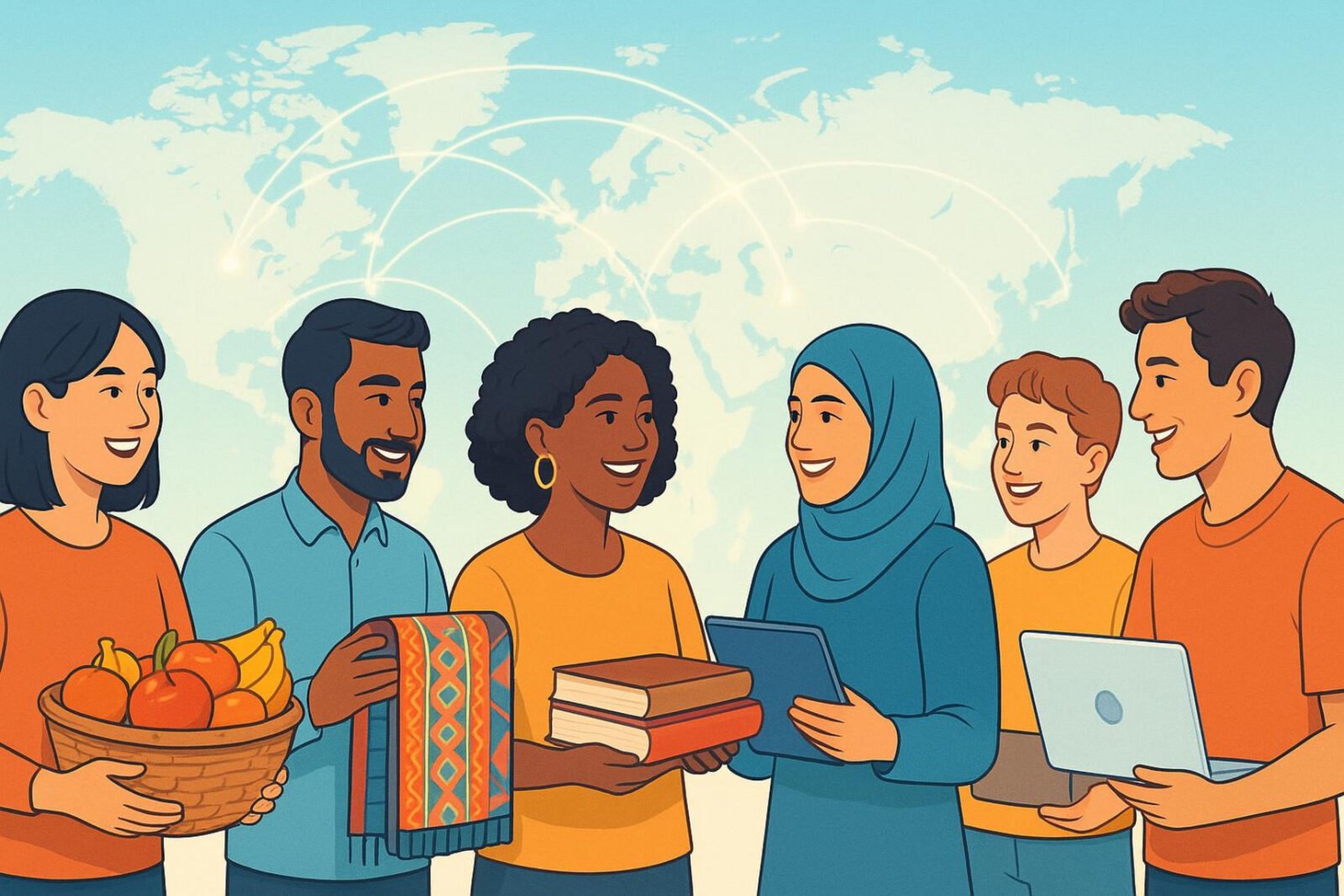
In today’s highly competitive and fast-moving global market, multicultural marketing is not a passing fad or a “nice extra.” It is a must for any business that wants steady growth and real connections with customers. The reason is simple: people are becoming more diverse, both across the globe and within individual countries. As cultures shift and customer expectations change, the brands that truly understand and reflect this mix of people are the ones that can find new chances for loyalty, growth, and meaningful engagement. Brands that stick to a “one message for everyone” mindset will fall behind.
This is not just about checking a corporate responsibility box. It is a smart business move. Many modern consumers, especially younger people, pay close attention to what brands stand for. They often choose to support companies that match their values, including diversity and inclusion. If a brand ignores the mix of cultures, languages, and life experiences in today’s customer base, it is walking away from major growth opportunities. Strong connections built on cultural understanding are a key part of business success now.
What Is Multicultural Marketing and Why Does It Matter?
Multicultural marketing means creating and sharing marketing campaigns that speak directly to people from different cultural, ethnic, or language backgrounds. Instead of sending one broad message to everyone, multicultural marketing takes the time to think about cultural values, language needs, and real-life experiences that shape how people see a brand. The goal is to adjust the message so it feels natural and personal, not just translated word-for-word.
This goes beyond multilingual marketing. Multilingual marketing focuses on making content available in different languages. That helps people access the message. Multicultural marketing goes further by also speaking to cultural norms, behaviors, and reasons people buy. Both matter if a brand wants to be truly inclusive in a society where diversity is a real force in the market.
Why Has Multicultural Marketing Become a Priority for Businesses?
Businesses are focusing more on multicultural marketing because of clear changes in population and buying power. Markets in the U.S. and around the world are becoming more diverse very quickly. Gen Z, for example, is the most racially and ethnically diverse generation so far. This group, along with Millennials and Gen Alpha, will soon make up the biggest buying groups, and their choices are shaped by diverse communities.
The financial side is just as important. Multicultural consumers are not only growing in number; they represent more than half of global population growth and have trillions of dollars in yearly spending power. Brands that ignore this group may push away a large part of their possible customers. Using multicultural marketing is not only the right thing to do for many companies-it is also a practical strategy for staying competitive in a market that is already diverse and will keep becoming even more so.
How Multicultural Marketing Impacts Business Success
A strong multicultural marketing strategy can affect a business in many ways, from market share to customer loyalty. When a brand does this well, it can move ahead of competitors by building strong relationships with customers who feel recognized and understood.
Companies that bring Diversity, Equity, and Inclusion (DEI) into their marketing are not just following current expectations. They are setting themselves up for long-term success. This approach can lead to real business gains, which makes it an important part of modern growth plans.
Expanded Consumer Reach Across Diverse Audiences
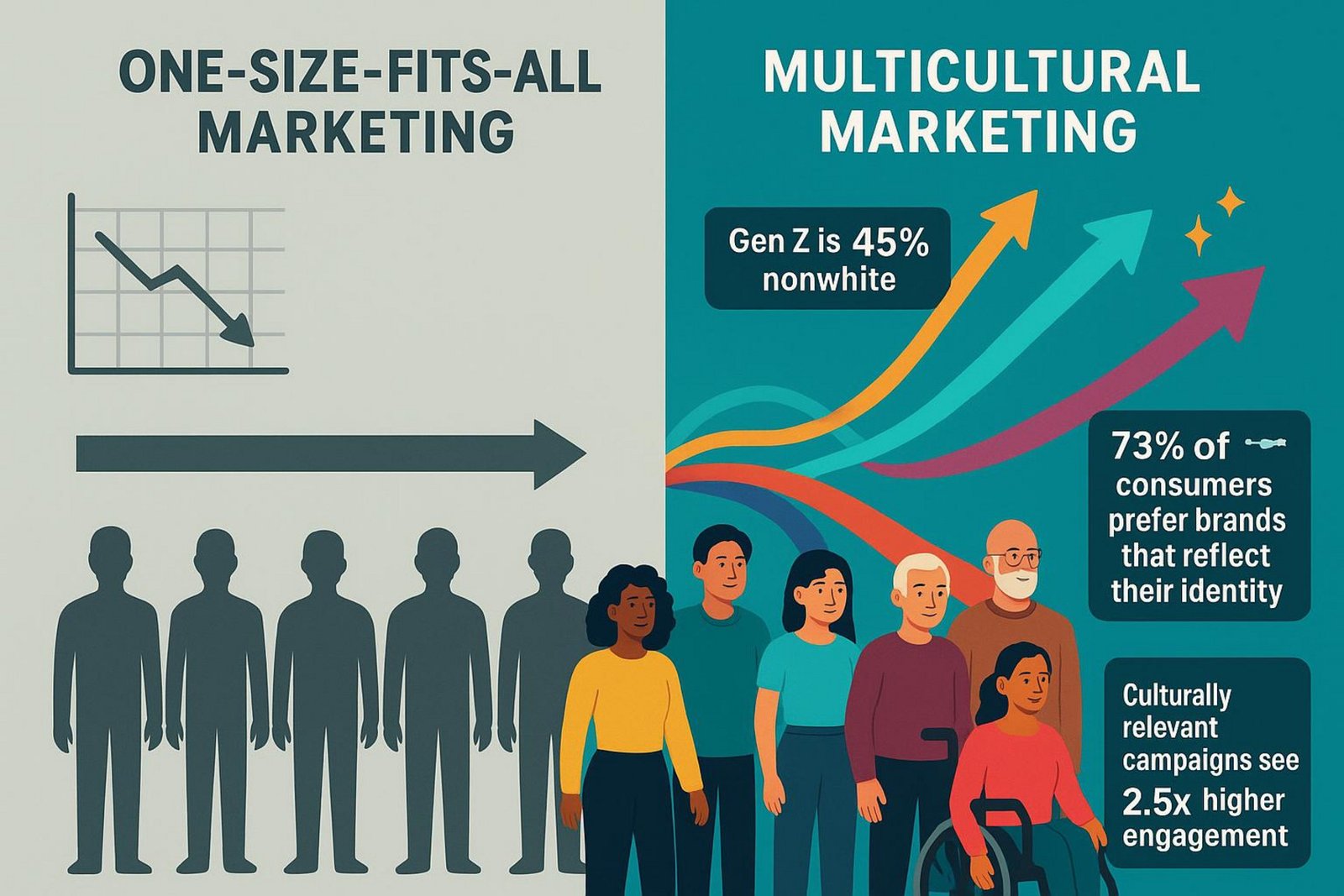
The clearest benefit of multicultural marketing is reaching more people. As markets become more diverse, a broad “general audience” approach is no longer enough. By 2030, forecasts suggest that more than 50% of the U.S. population will be people of color, and Gen Z is already 45% nonwhite. These are not just statistics-they represent large groups of customers who want brands to speak to them in a direct and respectful way.
When brands connect with these communities in a real way, they can reach new customer groups and grow revenue. Research shows that 81% of Gen Z says multicultural and diverse communities strongly influence brand preferences. When a brand adapts its message and pays attention to cultural details, it can build growth and loyalty that broad campaigns often fail to create.
Stronger Brand Trust Through Inclusive Representation
Brand trust matters more than ever, and consumers now have many ways to check if a brand is genuine. Multicultural marketing helps build trust through real, inclusive representation. This is more than showing diverse faces in an ad. It means building inclusion into brand stories, using culturally aware messaging, and making content easy to access.
Consumers can often tell the difference between surface-level diversity and real effort. If a brand tries to look inclusive without real support behind it, that can harm trust. On the other hand, brands that invest in communities and lift up diverse voices can earn lasting trust. Studies show that 64% of consumers feel motivated to support brands that sponsor multicultural events or use diverse storylines, influencers, and representation in ads. This often leads to stronger emotional ties and more word-of-mouth support.
Competitive Advantage in Saturated Markets
In crowded markets, standing out is hard. Ignoring a more diverse customer base is not just a small mistake-it can put a brand behind competitors. Brands that build DEI into their core strategy often come across as leaders and fresh thinkers.
Companies with diverse leadership teams have been shown to beat competitors in profitability by 36%. This is not random. Different viewpoints often lead to better choices, more creative ideas, and a clearer view of what different groups of customers need. Multicultural marketing helps a brand stay flexible and aware of its audience, giving it an advantage over brands that do less to include everyone.
Brand Relevance and Long-Term Growth
Multicultural marketing is not only for short-term results. It supports long-term relevance and steady growth. By building real connections with a diverse customer base, companies often see higher loyalty and better long-term performance. This ongoing focus on inclusion helps a brand stay meaningful as populations continue to change.
A diverse workforce also supports this work. It can lead to more creativity, faster problem-solving, and better ability to adjust-skills that matter in a fast-moving business environment. Brands that learn how to serve a more diverse society are building strength for today and setting themselves up for future success as new generations become the main buyers.
Key Elements of a Multicultural Marketing Strategy
A strong multicultural marketing strategy needs more than good intentions. It takes informed planning and a people-first mindset. The goal is to build real connections, not to send messages across cultures without understanding them. Every part of the work-from the message to the team behind it-should show cultural awareness and respect.
The goal is to create campaigns that do not just reach diverse audiences, but actually connect with them. That means showing people’s identities and experiences in ways that feel real and respectful. This takes cultural insight at every step of the marketing process.
Cultural Relevance and Authentic Storytelling
Marketing is built on storytelling. In a diverse society, stories should reflect the people who are listening. Multicultural marketing means changing the approach so it reflects culture, identity, and real life-not just translating old content. This requires learning what matters to certain cultural groups, understanding how they use media, and adjusting content so it fits.
The aim is to avoid generic messaging or, worse, stereotypes. Instead, brands should highlight stories and influencers that feel real to the community. When brands get this right, messages are not just seen-they feel personal, and that builds a stronger connection.
Language Sensitivity and Localization
Language sensitivity and localization are more than basic translation. Localization means adjusting the full message so it fits local culture and shared meanings. Certain words, images, and even colors can mean very different things in different cultures, so brands need to adapt carefully.
For U.S. companies reaching different groups, this may mean changing full ad campaigns to match local languages, everyday phrases, and social expectations. Multilingual marketing helps people understand the message. Multicultural marketing helps the message feel right for the audience. Brands often need both.
Community Collaboration and Partnership
Many multicultural consumers want more than seeing themselves in ads. They want brands to support their communities and listen to their voices. A strong multicultural marketing strategy includes real community collaboration. That means showing up with support, not only showing up to sell.
Working with local businesses, community leaders, and cultural groups can provide helpful insight and build trust. These partnerships can help brands communicate respectfully and build campaigns that are useful, relevant, and welcomed. The focus should be on working together and building shared value, not on short-term promotions.
Inclusive Teams and Internal Advocacy
Real multicultural storytelling starts inside the company. A brand will struggle to connect with diverse audiences if its own teams do not include diverse voices. This means building inclusive ways of working and hiring teams that reflect different backgrounds. Bicultural employees can be especially helpful because they often understand more than one cultural viewpoint.
Brands should ask questions like:
- Does our marketing team reflect the audience we want to reach?
- Are different viewpoints shaping creative decisions?
- Do we use cultural insight instead of guessing or relying on assumptions?
Leaders with cultural skill, an inclusive workplace culture, and input from people with real knowledge help multicultural marketing feel honest and meaningful.
Role of Technology and Data in Multicultural Campaigns
Technology and data now play a major role in modern multicultural campaigns. They help brands get clearer insights and run campaigns at scale. They also help brands deal with the hard parts of reaching different groups, turning what used to feel like guesswork into a more measurable process.
With the right tools, brands can go beyond broad messaging and create more targeted experiences that fit specific cultural groups. Since many people interact with brands through digital channels, strong tech skills are now a key part of doing multicultural marketing well.
Leveraging Analytics for Audience Insights
Multicultural marketing starts with solid research: knowing who the audience is, what they care about, and where they spend time. Analytics can strengthen this work by showing patterns and results based on real behavior, not guesses. This helps marketers create campaigns that are more likely to connect.
In multicultural marketing, tracking success often requires more than standard metrics. Useful KPIs can include:
- Engagement rates by cultural segment
- Conversion rates from target communities
- Performance of in-language campaigns
- Brand perception measures (like sentiment and affinity)
With strong data and the right tools, multicultural marketing can become a repeatable strategy that shows clear return on investment.
Using GenAI and Machine Learning for Cultural Understanding
Generative AI (GenAI) and Machine Learning (ML) are changing how marketers learn about culture. These tools can review huge amounts of information, such as social media reactions, language patterns, and cultural trends, faster than humans can. This helps brands better understand what different groups prefer, how they behave, and why they choose certain products.
GenAI can help create culturally aware content by adjusting tone, style, and images to fit specific cultural settings, so the message feels local instead of copied. ML models can find patterns in behavior across different groups, helping marketers spot trends, personalize offers, and adjust campaigns quickly. Used carefully, these tools can help brands communicate in ways that are efficient, respectful, and more accurate for each audience.
Building a Brand That Reflects a Diverse World
Building a brand that reflects a diverse society is more than a marketing task. It is a long-term commitment to inclusion and fairness in business. This means bringing DEI into marketing, but also into company culture and daily operations. A brand’s public message should match how it works inside the business.
This work can be rewarding, but it also comes with real challenges. Brands need to check themselves often, keep learning, and deal with mistakes directly. The goal is to build a brand that is respectful, accurate, and meaningful for people from many backgrounds.
Incorporating DEI into Marketing and Company Culture
Adding DEI into marketing and company culture can strengthen performance and build better connections. Companies that focus on DEI often see higher morale, better teamwork, and stronger employee retention. A diverse workforce can support creativity, flexibility, and problem-solving-skills that matter in fast-moving markets.
For marketers, putting DEI into action can include:
- Reviewing content to find missing representation and hidden bias
- Hiring and supporting diverse talent at all levels, including leadership
- Building cross-cultural skills through training and partnerships
- Creating a safe space in teams so people can speak openly about DEI
This helps inclusion become part of how the company works, not just a theme in ads.
Overcoming Challenges and Avoiding Pitfalls
Multicultural marketing brings clear benefits, but it also has risks. A major problem is performative diversity—when a brand tries to look inclusive without real effort behind it. Many consumers can spot this quickly, and it can harm brand trust.
Another issue is the digital divide, especially in newer markets where internet access and digital skills may differ. Marketers also need to keep updating their approach as cultural values shift due to global trends and media influence. Getting past these problems requires ongoing research, active listening, and a flexible strategy that puts real connection above quick wins. This is where working with a partner who knows the local context pays off—agencies such as All 4 Comms segment communities by market and generation before deciding on the message, rather than translating a global campaign and hoping it lands.
Examples of Multicultural Marketing in Action
The value of multicultural marketing is easier to see through brands that have done it well. These cases show that adapting marketing for specific cultural settings can grow loyalty, increase market share, and build stronger connections with customers. They also give useful ideas for businesses that want to do this the right way.
Whether the brand is global or small, the shared factor in strong multicultural campaigns is respect and understanding. These campaigns avoid token gestures and instead make cultural relevance part of the message and the product.
Campaign Case Studies and Success Stories
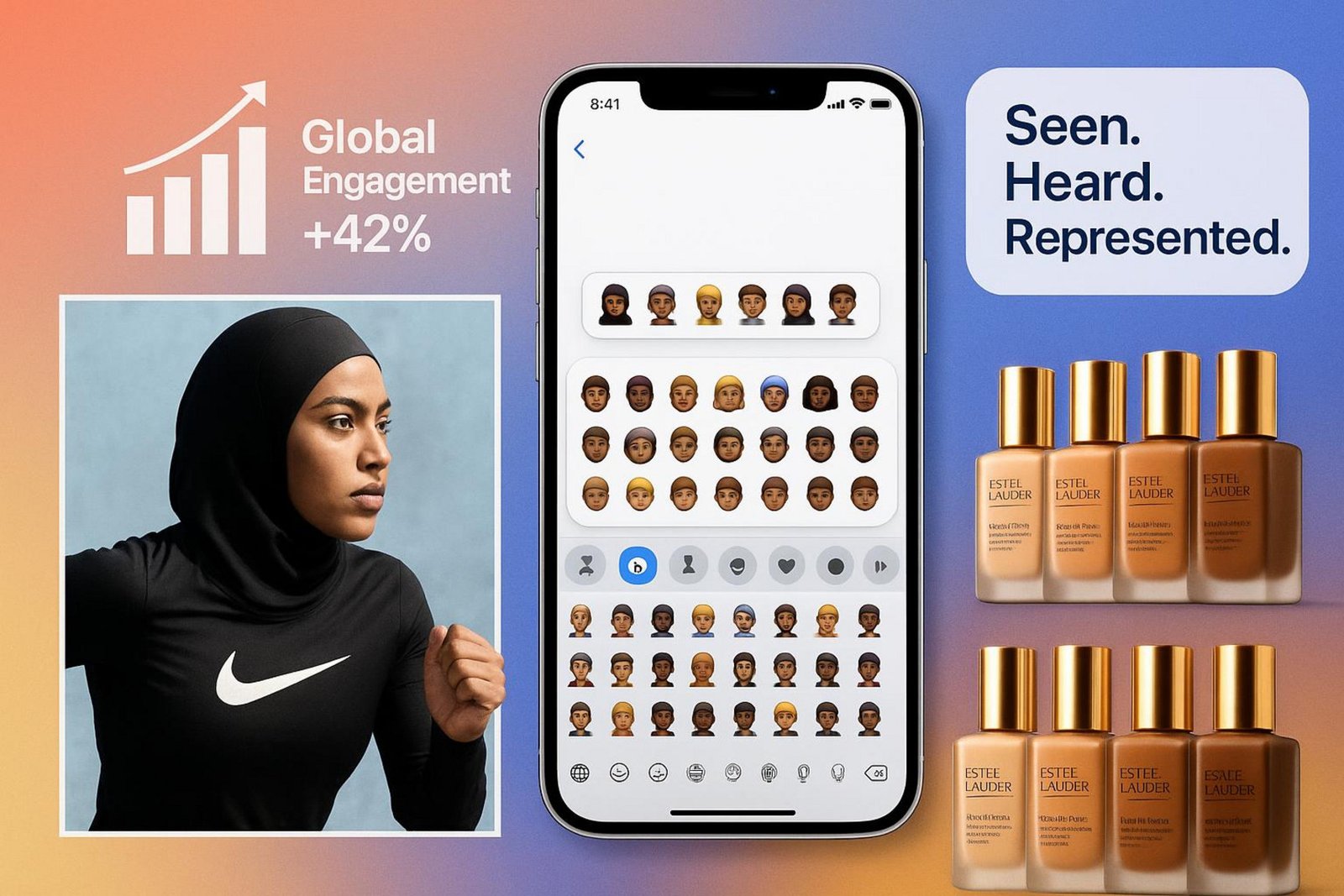
Brands like Nike, McDonald’s, and Target have used multicultural marketing for years by highlighting culturally relevant stories and influencers to grow loyalty and sales. Nike, for example, often creates campaigns that connect with athletes and communities from different backgrounds, including cultural moments and personal achievements.
This approach also shows up in product choices. Apple’s iOS 8.3 update added more racially diverse emoji, which helped better reflect its user base. Estée Lauder offers foundation in 39 shades, hires multi-lingual in-store beauty advisors, and features models from many ethnic backgrounds in its ads. These examples show that multicultural marketing works best when it is part of everything-product, service, and promotion-so customers feel recognized, respected, and supported.
How to Measure Success in Multicultural Marketing
Measuring multicultural marketing success takes more than looking at sales alone. Sales matter, but the biggest value often comes from building stronger relationships with different communities. That means tracking results that show both business impact and how people feel about the brand.
Good measurement helps brands improve over time. It also helps confirm that marketing efforts are effective and truly reflect the communities a brand wants to serve. This turns multicultural marketing into a measurable, accountable part of marketing planning.
Key Performance Indicators and ROI
Success here is not just about how many people saw the campaign-it is about whether it connected. Standard ROI measures still matter, but multicultural campaigns often need extra KPIs, such as engagement and conversions by cultural segment, plus results from in-language work. Brand perception data, such as sentiment and affinity among diverse audiences, is also important.
By carefully reviewing these KPIs, businesses can see what connects and what falls flat. This makes multicultural marketing more than a creative effort-it becomes a repeatable, measurable part of the larger marketing plan that can produce strong returns.
Gauging Community Impact and Brand Sentiment
Beyond numbers, success also includes community impact and brand sentiment. Many multicultural consumers prefer to support brands that invest in their communities and share their voices. Because of this, brands should also measure the positive social and cultural effect of their efforts.
This can include tracking community programs, collecting feedback from different groups, and watching changes in loyalty and brand perception. Corporate Social Responsibility (CSR) work can also help when it is tied to real community needs and fits the cultural setting, such as sustainability, education, or health. Over time, brands that are respected within communities often earn long-term loyalty and strong customer advocacy.
As we move through the mid-2020s, with today’s date being August 12, 2026, multicultural marketing has shifted from being mainly an ethical discussion to being a core part of business strategy. The future of commerce depends on serving a more diverse society, where borders matter less and cultural connections grow stronger. Brands that accept this are not just keeping up. They are taking the lead, supporting fairness while also improving market position, profits, and long-term stability.
Consumer behavior will keep changing due to global trends and fast tech progress, so marketers need to stay curious and flexible. The focus needs to move away from fixed demographic labels and more toward understanding cultural identity and lived experience. Brands that build cultural skill inside their companies, hire diverse teams, and speak with real cultural awareness can form stronger relationships with today’s customers and be ready for the customer base of tomorrow. Marketing can shape culture-and brands should use that influence carefully and responsibly.