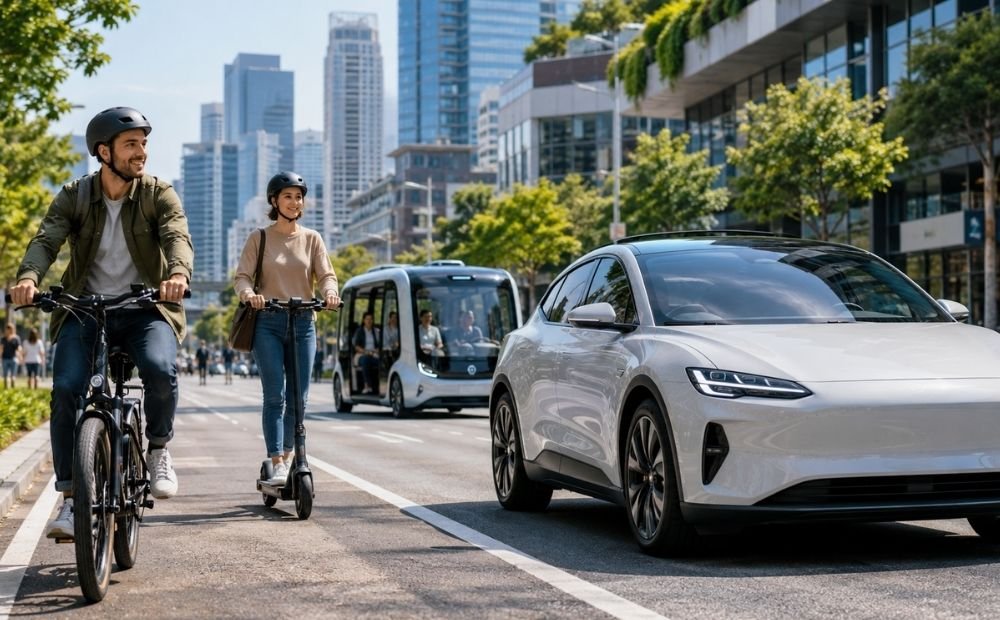
The way people move from one place to another has undergone significant shifts over the past decade. Your commute, your weekend trips, and how you think about vehicle ownership may look quite different today compared to how things worked just ten years ago. Multiple forces are reshaping personal transportation across the globe, from technological innovation to changing consumer preferences and environmental concerns. Understanding these transformations helps you navigate the evolving landscape of mobility options available to you. Whether you drive a traditional vehicle, use ride-sharing services, or rely on public transit, the changes affecting personal transportation directly impact your daily life.
Electric Vehicles Are Reshaping the Market
The adoption of electric vehicles represents one of the most visible changes in personal transportation. Battery technology has improved dramatically, allowing electric vehicles to travel longer distances on a single charge compared to their earlier versions. Your charging options have also expanded considerably, with public charging networks growing in cities and along highways to make electric vehicle ownership more practical. Many manufacturers now offer electric options across multiple vehicle categories, from compact cars to larger SUVs, giving you more choices aligned with your specific transportation needs. The cost of electric vehicles has gradually become more competitive with traditional gasoline-powered cars, though price remains a consideration for many buyers.
Mobility Services Are Providing Alternatives to Vehicle Ownership
Ride-sharing platforms and car-sharing services have fundamentally changed how you might approach personal transportation. Rather than owning a vehicle, you can now access transportation on demand through various subscription and pay-per-use models. These services prove particularly valuable in urban areas where parking is expensive and traffic congestion makes personal vehicle ownership less practical. Your flexibility increases with these options, as you can choose different vehicle types depending on your specific trip requirements rather than being locked into a single vehicle. The convenience of accessing transportation through your smartphone has made these alternatives increasingly attractive to people of all ages.
Autonomous Vehicle Development Is Opening New Possibilities
Self-driving technology continues to develop and evolve, with various companies testing autonomous vehicles in different environments. Your experience as a passenger or vehicle operator may eventually change significantly as this technology matures and becomes more widely available. The potential benefits include reduced accident rates, greater mobility for people unable to drive, and increased productivity during travel time. However, regulatory frameworks, safety standards, and public acceptance still require substantial development before autonomous vehicles become commonplace. The progress in this area remains ongoing, with pilot programs and testing continuing to provide data and insights that inform future deployment.
Urban Planning and Infrastructure Are Adapting to New Needs
Cities worldwide are reconsidering how they design streets and allocate space to accommodate evolving transportation patterns. Your community may be investing in bike lanes, pedestrian pathways, and improved public transit options to support multiple modes of transportation. Micro-mobility solutions such as electric scooters have become a notable part of this shift, and riders who want to customize or enhance their experience often turn to modern electric scooter accessories to better meet the demands of urban commuting. Infrastructure investments now often prioritize sustainable transportation options, recognizing their role in reducing congestion and improving air quality. These changes to the physical environment around you influence which transportation modes become practical and appealing for your daily needs.
Consumer Preferences Are Shifting Toward Sustainability
People are increasingly considering the environmental impact of their transportation choices when making decisions about vehicles and travel methods. Your awareness of carbon emissions, resource consumption, and long-term environmental consequences likely influences which transportation options you find acceptable. Companies developing transportation solutions now emphasize sustainability as a core feature, recognizing that environmental responsibility matters to their customers. This shift has accelerated innovation in areas like electric vehicle technology, renewable energy sources for charging, and more efficient public transit systems. Tthe transport sector remains one of the largest contributors to global energy-related emissions, making consumer shifts toward cleaner alternatives increasingly significant. The growing demand for sustainable options continues to drive investment and development in cleaner transportation alternatives.
Conclusion
Personal transportation is undergoing transformation across multiple dimensions simultaneously, creating a more complex and diverse landscape of mobility options for you to consider. The integration of new technologies, changing ownership models, and shifting environmental priorities all contribute to how transportation will function in the coming years. Your transportation choices today reflect your personal priorities and the infrastructure available in your area, whether those choices involve traditional vehicles, electric cars, ride-sharing services, or public transit. As these changes continue to unfold, staying informed about emerging options and technologies helps you make decisions that align with your transportation needs and values. The future of personal transportation will likely involve a combination of these evolving technologies and services rather than a single dominant approach, giving you more choices than ever before.