Composite bonding has become one of the most popular cosmetic dental treatments in the UK, offering a quick and minimally invasive way to enhance the appearance of teeth. However, despite its growing popularity, many misconceptions still surround this treatment. If you are considering Composite Bonding Middlesbrough, it is important to separate fact from fiction so you can make an informed decision about your smile.
In this article, we will explore the most common myths about composite bonding and provide clear, factual information to help you understand what this treatment can truly offer.
What Is Composite Bonding?
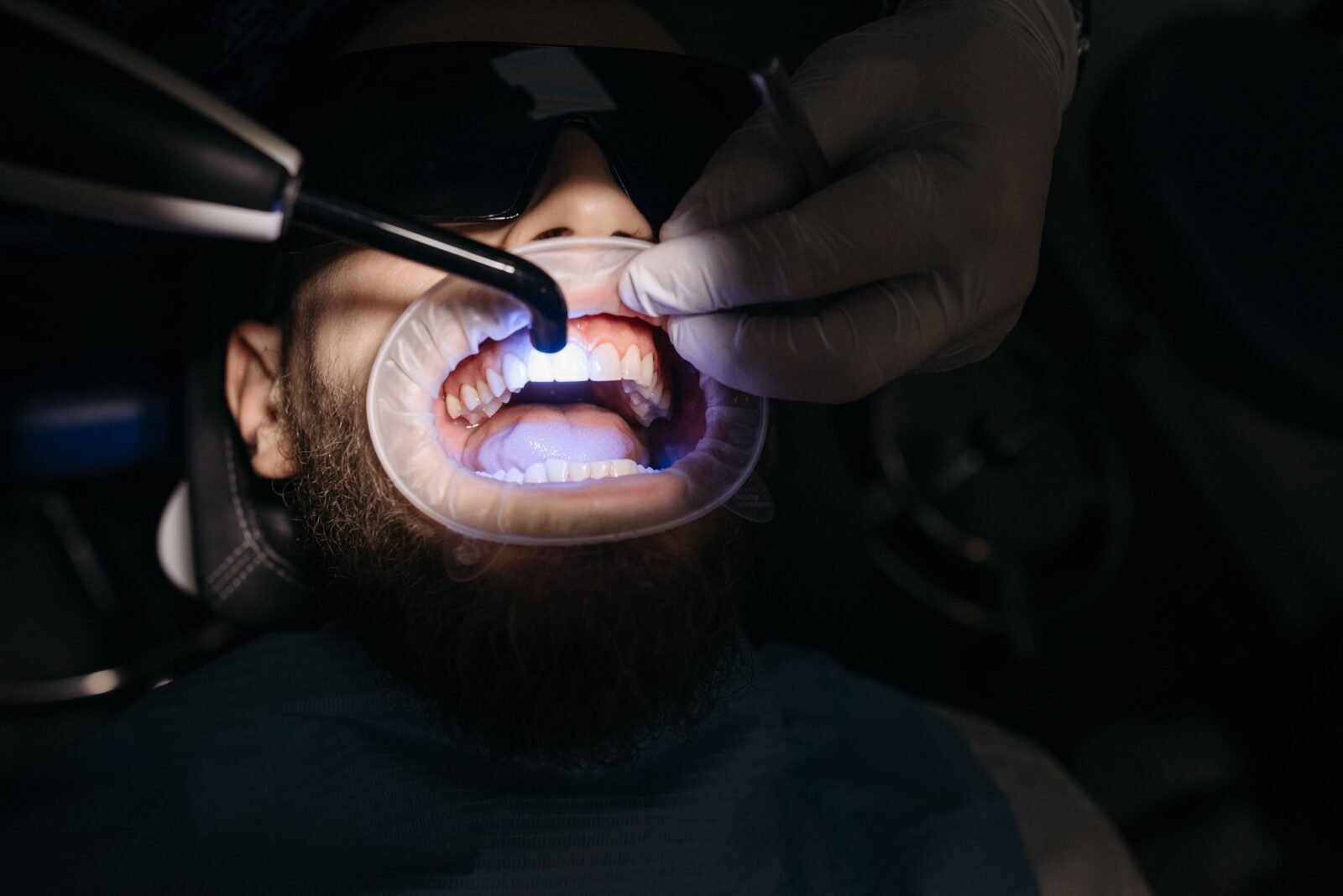
Before we dive into the myths, let us briefly explain what composite bonding actually involves. Composite bonding is a cosmetic dental procedure where a tooth-coloured resin material is applied directly to the surface of the teeth. This resin is carefully sculpted and shaped to address various aesthetic concerns, then hardened using a special light and polished to a natural finish.
The treatment is commonly used to repair chipped or cracked teeth, close small gaps, reshape misshapen teeth, and improve the appearance of discoloured teeth. One of the key advantages of composite bonding is that it typically requires little to no removal of natural tooth enamel, making it a conservative option compared to treatments like porcelain veneers or crowns.
Now, let us address some of the most widespread myths about Composite Bonding Middlesbrough and separate the facts from the fiction.
Myth 1: Composite Bonding Damages Natural Teeth
One of the most common concerns people have is whether composite bonding will harm their natural teeth. Some individuals worry that the procedure involves filing teeth down to small pegs or that the bonding process will weaken the enamel permanently.
The Reality: Composite bonding does not damage natural teeth. In fact, it is one of the most conservative cosmetic dental treatments available. The procedure typically requires little to no removal of healthy tooth enamel. Unlike porcelain veneers or crowns, which often involve filing down the tooth surface, composite bonding is largely an additive process, meaning the resin is applied on top of the existing tooth structure rather than removing significant amounts of it.
The tooth surface is gently prepared by lightly roughening it with a conditioning gel to help the resin adhere securely. This preparation is minimal and does not weaken the tooth. Furthermore, if the bonding material ever needs to be removed or replaced, the underlying tooth remains largely intact.
For those seeking Composite Bonding Middlesbrough, it is reassuring to know that this treatment preserves as much of your natural tooth structure as possible, making it a tooth-friendly option for cosmetic enhancement.
Myth 2: The Results Look Fake or Unnatural
Another common fear is that composite bonding will result in an artificial, bulky, or obviously fake appearance. Some people worry that their bonded teeth will stand out awkwardly from the rest of their smile.
The Reality: When performed by an experienced dentist, composite bonding can produce results that look incredibly natural. The resin material is carefully matched to the natural shade of your existing teeth using a precise shade guide. Modern composite resins are designed to mimic the light-reflecting properties of natural enamel, allowing the restoration to blend seamlessly with surrounding teeth.
The dentist also has the artistic freedom to sculpt and shape the resin while it is still soft, ensuring the final contour complements your facial features and smile goals. Each tooth is hand-sculpted and polished to achieve a natural-looking finish.
With Composite Bonding Middlesbrough, patients can expect results that look completely natural and harmonious with their overall smile. The key lies in the skill of the dental professional and the quality of materials used.
Myth 3: Composite Bonding Doesn’t Last Long
There is a widespread belief that composite bonding is fragile and will only last a year or two before needing replacement. This misconception often discourages people from considering what is otherwise an excellent cosmetic solution.
The Reality: While composite bonding is not permanent, it can last for several years with proper care. Clinical studies show that composite bonding demonstrates durability rates of 85 to 92 percent at five years and 75 to 82 percent at ten years. On average, composite bonding lasts between four and eight years, and with excellent oral hygiene and good habits, it can sometimes last up to ten years.
The lifespan of your bonding depends on several factors, including your oral hygiene routine, dietary habits, whether you grind or clench your teeth, and how often you attend dental check-ups. Bonding on the biting edges of front teeth may show wear earlier because it takes more force during eating.
For those considering Composite Bonding Middlesbrough, it is important to understand that bonding is best thought of as a maintainable restoration rather than a one-time, permanent solution. With regular dental visits and proper aftercare, your bonding can remain looking fresh and natural for many years.
Myth 4: The Procedure Is Only for Aesthetic Purposes
Some people assume that composite bonding is purely a vanity treatment with no real health benefits. They may view it as an unnecessary cosmetic procedure rather than a functional dental solution.
The Reality: While composite bonding is indeed a cosmetic treatment, it also serves important functional purposes. Beyond improving the appearance of your smile, composite bonding can repair minor fractures, close gaps that trap food and bacteria, and protect exposed tooth roots caused by gum recession.
The material creates a physical barrier over the tooth surface, which can help reduce sensitivity by shielding exposed areas from temperature changes and pressure. It can also restore the shape of worn-down teeth, which may improve the overall function of your bite.
For patients exploring Composite Bonding Middlesbrough, it is worth noting that this versatile treatment addresses both aesthetic and functional concerns simultaneously. It is not merely about looking better, it can also contribute to better oral health and comfort.
Myth 5: The Treatment Is Prohibitively Expensive
Many people assume that any form of cosmetic dentistry will be financially out of reach. They may believe that achieving a beautiful smile requires a significant financial investment that they simply cannot afford.
The Reality: Composite bonding is widely considered one of the most cost-effective cosmetic dental treatments available. Compared to porcelain veneers or crowns, bonding is significantly more affordable because it can often be completed in a single visit and requires less laboratory work. It offers an accessible entry point for patients who want to improve their smile without the higher costs associated with other cosmetic procedures.
In Middlesbrough, many dental practices offer composite bonding as an accessible option for patients seeking smile enhancement. The treatment provides excellent value for money, especially when you consider the immediate results and minimal invasiveness of the procedure.
Myth 6: Composite Bonding Requires Multiple Dental Visits
Some patients worry that undergoing composite bonding will require numerous appointments, causing significant disruption to their busy schedules.
The Reality: One of the major advantages of composite bonding is that it is typically completed in a single visit. Most treatments can be finished in one appointment, often taking between 30 minutes to two hours depending on how many teeth are being treated.
This single-visit convenience makes composite bonding an ideal choice for patients with busy lifestyles who want immediate results without the need for multiple trips to the dentist. Unlike porcelain veneers, which often require at least two appointments due to laboratory fabrication, composite bonding is applied directly by the dentist in one session.
For those searching for Composite Bonding Middlesbrough, the ability to achieve a transformed smile in just one appointment is a significant advantage that appeals to many patients.
Myth 7: The Procedure Is Painful
Fear of pain is one of the biggest barriers preventing people from seeking dental treatment. Some assume that composite bonding will be uncomfortable or require injections.
The Reality: Composite bonding is generally a pain-free procedure. Because it typically requires little to no drilling or removal of enamel, injections are rarely needed. Most patients experience little more than gentle pressure while the material is being shaped and applied.
The tooth surface is lightly prepared using a conditioning gel rather than a drill, which makes the process much more comfortable than many other dental procedures. For nervous patients, this minimally invasive approach can be particularly appealing.
Who Is a Suitable Candidate for Composite Bonding?
Composite bonding is suitable for adults with healthy teeth and gums who want to improve minor cosmetic imperfections such as chips, gaps, discolouration, or misshapen teeth. However, it may not be suitable for everyone.
Patients with untreated tooth decay, active gum disease, severe tooth wear, significant bite problems, or uncontrolled teeth grinding may not be ideal candidates for bonding. Similarly, individuals with severe misalignment requiring orthodontic treatment may need to consider braces or clear aligners before cosmetic bonding.
A professional dental assessment is essential to determine whether composite bonding is the right treatment for your specific needs. During a consultation, the dentist will evaluate your oral health, discuss your aesthetic goals, and recommend the most appropriate treatment plan.
Composite Bonding Aftercare and Maintenance
To get the most out of your composite bonding, proper aftercare is essential. Here are some key tips to keep your bonding looking its best:
Brush and floss regularly. Brush twice daily with a soft-bristled toothbrush and non-abrasive toothpaste. Floss daily to remove plaque and food particles from around the bonded areas.
Limit staining foods and drinks. Composite resin is more porous than natural enamel and can absorb stains from coffee, tea, red wine, and dark-coloured foods. Try to limit these substances, especially in the first 48 hours after treatment.
Avoid hard or sticky foods. Biting into hard foods, ice, or using your teeth as tools can cause the bonding material to chip or crack. Be mindful of what you eat and avoid habits like nail-biting or chewing on pens.
Attend regular dental check-ups. Professional cleaning and maintenance every six to twelve months help remove surface stains and ensure the bonding remains in good condition. Your dentist can also check for any chips or wear that may need attention.
Consider a nightguard if you grind your teeth. If you grind or clench your teeth while sleeping, a nightguard can protect your bonding from excessive pressure and extend its lifespan.
Composite Bonding vs Porcelain Veneers: What Is the Difference?
Many patients wonder whether they should choose composite bonding or porcelain veneers. Both treatments can enhance the appearance of your smile, but they have important differences.
Invasiveness: Composite bonding is less invasive and requires little to no removal of natural enamel. Porcelain veneers typically involve removing a thin layer of enamel to accommodate the ceramic shell.
Treatment time: Composite bonding can often be completed in a single visit. Porcelain veneers usually require at least two appointments due to laboratory fabrication.
Durability: Porcelain veneers are generally more durable and stain-resistant, often lasting 10 to 15 years or longer. Composite bonding typically lasts 5 to 7 years before requiring maintenance or replacement.
Repairability: Composite bonding can be easily repaired or modified if damaged. Porcelain veneers may need to be completely replaced if they chip or break.
The choice between these treatments depends on your individual needs, budget, and aesthetic goals. A consultation with a dental professional can help you determine which option is right for you.
What to Expect from Composite Bonding Middlesbrough
If you are considering Composite Bonding Middlesbrough, the process typically begins with a thorough consultation where your oral health is assessed and your treatment goals are discussed. The dentist will evaluate your teeth, check for any underlying issues, and determine whether composite bonding is suitable for you.
Once you are cleared for treatment, the dentist will select a resin shade that matches your natural teeth. The tooth surface is then gently prepared, and the resin is applied, sculpted, and shaped to achieve the desired result. A special light is used to harden the material, and the final restoration is polished to a natural finish.
The entire process is usually completed in a single visit, and you can walk out with a transformed smile on the same day.
Final Thoughts
Composite bonding is a versatile, minimally invasive, and cost-effective solution for addressing a wide range of cosmetic dental concerns. Unfortunately, many myths and misconceptions prevent people from exploring this treatment option.
The truth is that Composite Bonding Middlesbrough offers patients a safe, natural-looking, and long-lasting way to enhance their smiles. It preserves natural tooth structure, can be completed in a single visit, and provides immediate results that can boost confidence and quality of life.
If you have been considering composite bonding but have been put off by myths or misinformation, it is worth seeking a professional consultation to discuss your options. A qualified dentist can assess your individual needs, answer your questions, and help you determine whether composite bonding is the right choice for you.
Remember, your smile is one of your most important assets. With the right information and the right dental professional, you can achieve the smile you have always wanted, without the worry or confusion that myths often create.