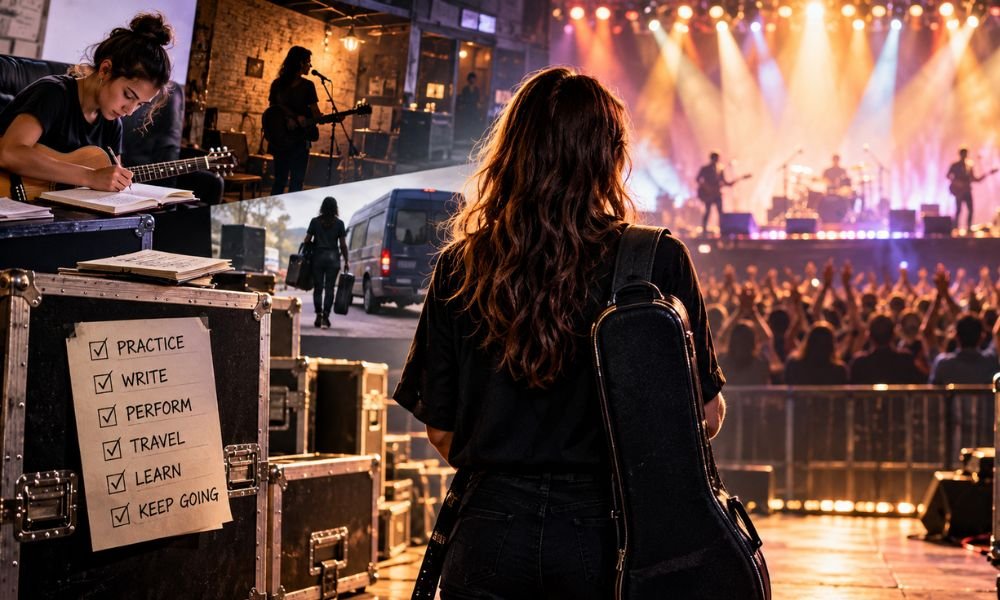
Building a career in live performance requires more than talent alone. You will need to develop technical skills, understand the industry, build professional relationships, and commit to continuous improvement over months and years. Many people underestimate the dedication required to transition from casual performer to working professional in this field. The path differs significantly from careers in other entertainment sectors because live performance demands real-time problem-solving, physical stamina, and adaptability. Understanding what this journey entails helps you prepare mentally and practically for the challenges ahead.
Starting With Foundational Skills and Training
Your first step involves developing core competencies specific to your chosen performance discipline. Whether you pursue theater, music, dance, or circus arts, you need formal training that goes beyond what you might learn casually. This typically means enrolling in classes, workshops, or formal education programs where you receive feedback from experienced instructors who have worked in the industry themselves. Training gives you the technical foundation necessary to perform safely and effectively in front of audiences. You will learn not just the mechanics of your craft but also how professionals approach rehearsals, blocking, timing, and stage presence. Many performers attend conservatories or university programs, while others pursue apprenticeships or intensive workshop experiences with established companies.
Building Practical Experience Through Performance Opportunities
You cannot build a performance career without actual stage time, and getting that experience requires strategic effort. Beginning performers often start with community theater productions, local music venues, street performances, or small-scale events that accept relatively inexperienced talent. These opportunities teach you what it feels like to perform under pressure, manage stage fright, and adapt when things go wrong during a live show. Each performance builds your confidence and helps you understand your strengths and weaknesses in real conditions. You should actively seek out auditions, open mic nights, casting calls, and ensemble positions even if they do not pay well initially. The experience you gain becomes part of your portfolio and demonstrates to future collaborators that you can handle live work professionally.
Developing a Professional Network and Understanding Industry Channels
The live performance industry operates heavily through personal connections and referrals rather than formal job listings. You need to attend industry events and build relationships with directors, producers, other performers, and technical staff who work regularly in your field. Networking happens both formally at conferences and informally after performances or during rehearsals when you connect with colleagues. These relationships lead to future casting opportunities because professionals tend to hire people they know and trust. For example, an electronic music dj who performs at major international festivals typically spends years cultivating relationships with promoters, fellow artists, and event organizers before reaching that level of visibility. You should also understand how your specific performance sector operates, including which venues matter, what types of productions exist, and how funding and touring work.
Managing the Business and Financial Realities
Building a sustainable career in live performance requires understanding its business side, which many performers overlook. You will need to manage taxes, contracts, and potentially create an independent contractor business structure depending on how you work. Most live performers do not earn consistent income from performances alone, especially when starting out, so many maintain supplementary income through related work like teaching, technical roles, or unrelated employment. You should learn how to negotiate contracts, understand what fair compensation looks like in your field, and know your rights as a performer. Building an emergency fund becomes crucial because performance work is often seasonal or project-based with unpredictable income. Understanding the financial realities helps you plan realistically and avoid making decisions that compromise your career development.
Maintaining Long-Term Growth and Professional Development
Your career in live performance does not end once you land your first paid roles. You must continue training even after becoming a professional because performance skills deteriorate without practice and your craft evolves constantly. Successful performers attend workshops, take classes in related disciplines, and seek mentorship from more experienced colleagues throughout their careers. You should also document your work through recordings, photographs, and testimonials that demonstrate your abilities to potential collaborators. Building a professional website and maintaining an active presence in your performance community keeps you visible and connected. According to Backstage, sustained visibility and consistent self-promotion are among the most important habits working performers develop over time.
Conclusion
Building a career in live performance from the ground up demands technical training, persistent effort to gain experience, strategic networking, business awareness, and lifelong commitment to your craft. You will face rejection, financial uncertainty, and periods where progress feels slow, which is why realistic expectations about the journey matter significantly. Success in this field belongs to those who view setbacks as learning opportunities and maintain focus despite obstacles. Your path will look different from other performers because each career develops through unique circumstances and opportunities. By understanding these core requirements and approaching your development systematically, you build a foundation that supports a sustainable and fulfilling career in live performance.