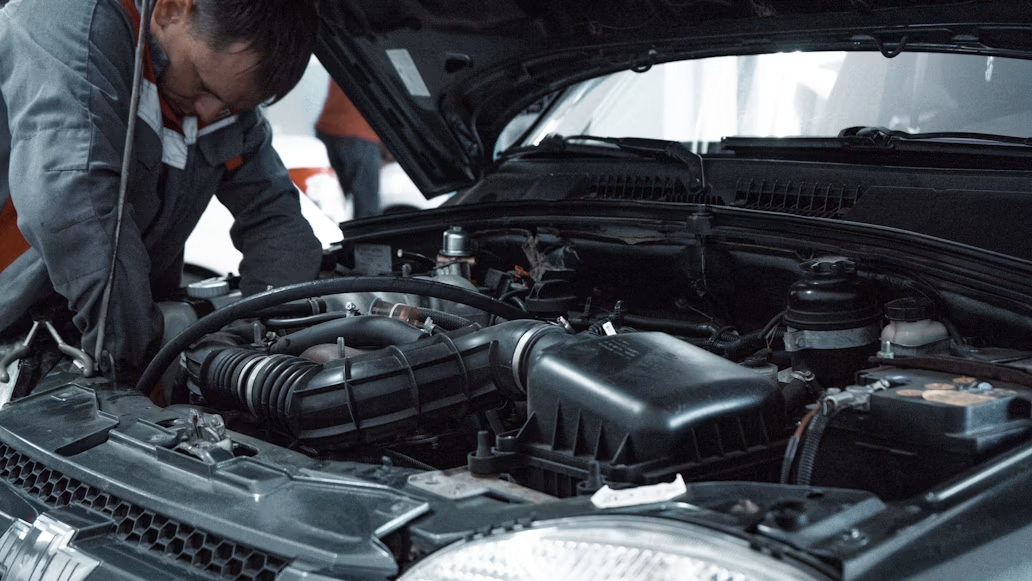
Source: unsplash.com
Anyone who has owned a car for more than a few years knows the drill. Something wears out, rattles loose, or just stops working the way it should, and suddenly you’re staring down a repair bill that could go a hundred different directions depending on where you buy the part. The used and aftermarket spare parts market is massive, but it’s also scattered across dozens of suppliers, each with their own pricing, quality standards, and shipping timelines. Getting this wrong doesn’t just cost money, it can cost you a working car for weeks.
Why Spare Parts Shopping Is Harder Than It Should Be
The core problem is fragmentation. A single part, say a headlight assembly or a used transmission, might be listed across ten or fifteen different marketplaces, scrapyards, and specialist retailers. Prices for the exact same part condition can swing wildly between sellers. Add in the confusion around OEM versus aftermarket versus refurbished parts, and it’s easy to see why so many car owners either overpay out of frustration or end up with a part that doesn’t quite fit or perform as expected.
This is where a dedicated price comparison approach changes the equation. Instead of opening ten browser tabs and manually copying prices into a spreadsheet, a platform built specifically for this purpose can pull listings together in one place and let you evaluate them side by side.
What a Good Car Part Comparison Actually Looks Like
A proper car part comparison isn’t just about finding the lowest number on the page. It means weighing several factors at once: the part’s condition, the seller’s reputation and return policy, shipping cost and delivery window, and whether the listing actually matches your vehicle’s make, model, and year down to the trim level. Skipping any one of these can turn a “bargain” into a headache.
This is exactly the gap that PartHunt24 was built to close. Rather than forcing shoppers to bounce between marketplaces, PartHunt24 aggregates spare parts listings and lays them out so buyers can compare specs and prices at a glance. For anyone who has ever bought the wrong part because a listing photo looked close enough, that kind of clarity is worth a lot.
Sourcing Quality Over Just Low Prices
It’s tempting to chase the cheapest listing available, but experienced mechanics will tell you that the real cost of a part includes how long it lasts and how well it fits. A part that’s ten percent cheaper but fails in six months isn’t actually a deal. Good sourcing means checking supplier ratings, reading return policies carefully, and understanding whether a part is genuinely OEM-grade or a lower-tier aftermarket copy.
Platforms that support genuine car part comparison tools make this process far less of a gamble. When you can see multiple listings for the same part next to each other, with clear condition grading and seller history, the decision gets a lot easier to make with confidence.
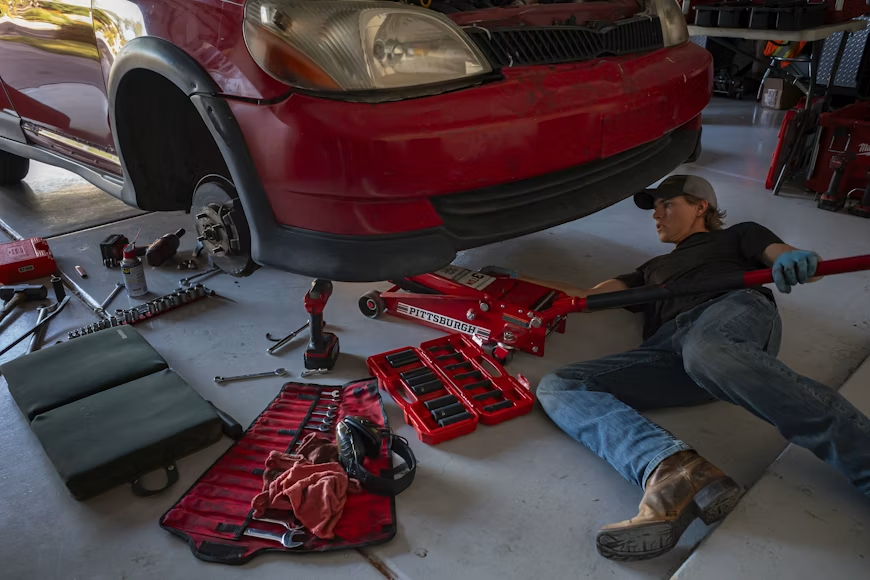
Source: unsplash.com
Practical Tips Before You Buy
A few habits go a long way here. Always double-check your vehicle’s exact specifications before searching, since even small trim differences can mean an incompatible part. Read seller reviews rather than just star ratings, since patterns in the comments often reveal more than a number does. And whenever possible, favor sellers who offer a real return window, since even careful buyers occasionally end up with the wrong fit.
Wrapping Up
The used and aftermarket parts market rewards patience and good tools. Whether you’re replacing a worn brake component or sourcing a full engine swap, taking the time to compare listings properly, rather than grabbing the first reasonable-looking price, pays off in both money saved and headaches avoided. With platforms like PartHunt24 making that comparison process faster and clearer, car owners have a real shot at getting parts that actually fit their budget and their vehicle.