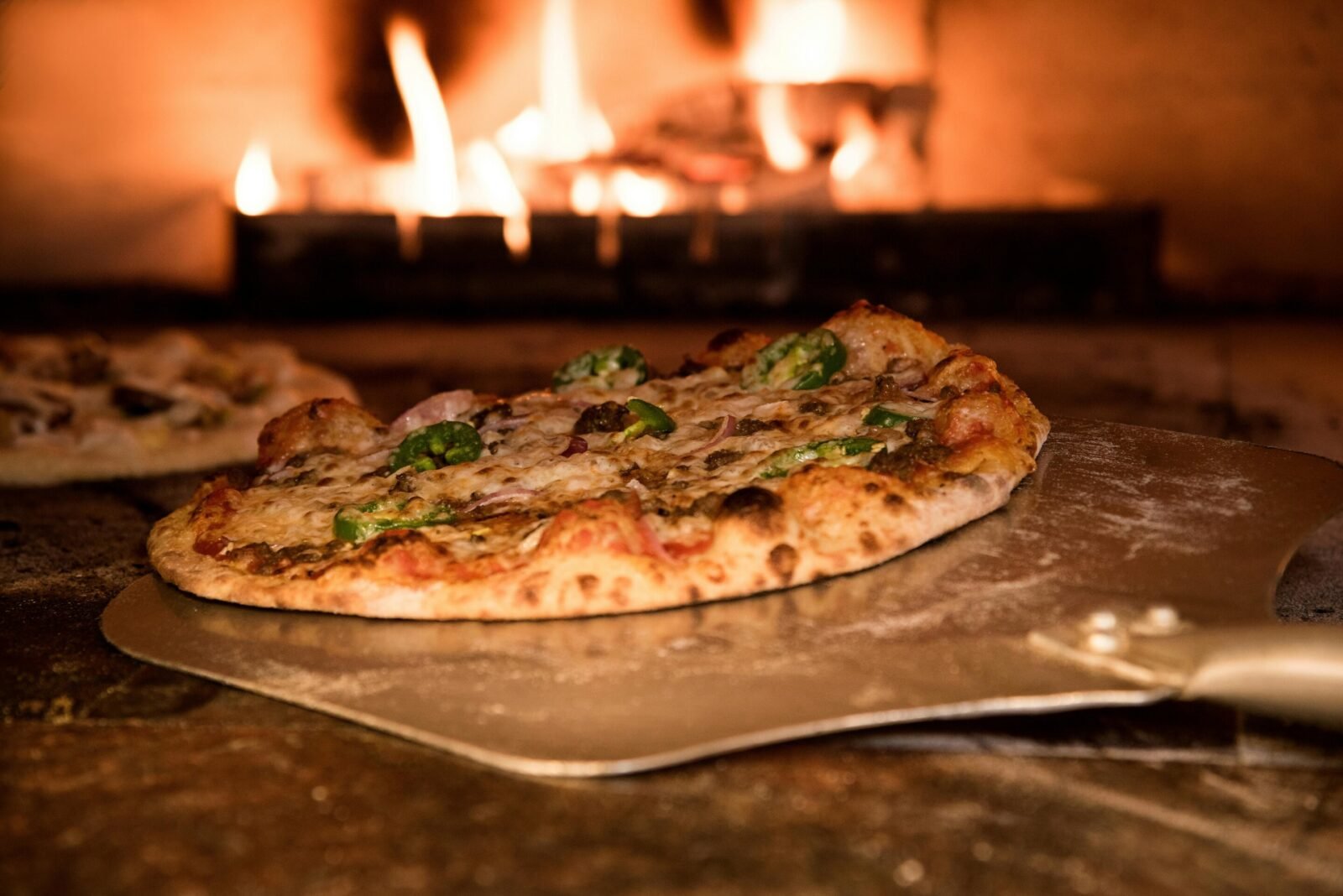
The difference between fire and steam cooking is the difference between adding something and leaving something alone. Fire adds. It browns, it chars, it deepens. Steam just holds the ingredient where it is and refuses to change it. Both are useful. Both are ancient. And the choice between them matters more than any recipe ever could. Harbor House Inn on the Mendocino Coast runs its whole kitchen on knowing which one to pick.
Why Technique Matters
Most people think cooking is about following instructions. It isn’t. It’s about reading heat. The same carrot, steamed, tastes sweet and clean. The same carrot over open flame turns crispy at the edges, the sugars caramelize, and it starts tasting almost like meat. The carrot didn’t change. The heat did.
Heat is invisible, which is why people ignore it. You can’t photograph it. You can’t list it in a recipe. But it’s everything. Cooks who’ve been doing this for years read heat the way a sailor reads wind. They know when the fire is too hot, when the steam is too weak, when something needs twenty more seconds or needs to come off right now. That kind of instinct only comes from standing in front of the same flames a thousand times until your hands know what to do before your brain does.
What Fire Does
Fire is old. It’s also aggressive. Put a piece of fish over an open flame and the outside browns, the fat renders, the edges crisp. Smoke rises and clings to everything. No pan gives you that flavor. No oven. No torch. Only fire.
But fire wants to be the star. Leave something over the flame too long, and you lose it under a layer of char. Too much smoke and everything starts tasting like a campsite. A good cook learns to pull back. Let the flame touch the food. Don’t let it take over. That restraint is what separates a decent kitchen from a great one.
What Steam Does
Steam is the opposite. It adds nothing. No browning, no caramelization, no smoke. It just keeps things exactly as they are. Moisture stays inside. Textures stay delicate. A piece of fish cooked in steam tastes like the fish itself. Nothing else.
That sounds boring until you taste it done right. When an ingredient is exceptional, and it was picked or caught hours ago, the last thing you want is to cover it up. Steam gets out of the way. It says, This is already perfect; I’m just warming it up. That kind of confidence only works if the sourcing is immaculate. Most restaurants can’t do it because their ingredients wouldn’t survive that kind of honesty. Harbor House Inn can.
The Two Together
Some things want both. A piece of meat might get a hard sear over flame, then finish gently in steam so the center stays tender. A vegetable might get a quick steam to set its color, then hit the fire for a few seconds to pick up depth. The order matters. Fire and steam aren’t enemies. They’re partners. A skilled cook moves between them without thinking.
This is what sustainable fine dining looks like in practice. Not a green badge on a website. Just cooking with respect. Use what’s local. Don’t waste it. Don’t smother it with technique. Let the ingredient lead.
That approach also puts local ingredients at the center of the meal. When the raw material is fresh and carefully sourced, cooking becomes less about hiding flaws and more about bringing out what is already there.
The Kitchen at Harbor House Inn
Harbor House Inn sits on a bluff in Elk, California, a tiny town about twenty minutes south of Mendocino proper. The building went up in 1916. The Pacific fills the windows. Chef Matthew Kammerer runs the kitchen, which holds Two MICHELIN Stars and a MICHELIN Green Star.
The ingredients come from a 320-acre Harbor House Inn Ranch, from the ocean right outside, and from the forest around the property. Seafood, wild herbs, mushrooms, seaweed. Nothing forced. Nothing shipped in from far away. That hyper-local cuisine approach is what lets the kitchen cook so simply. When the product is exceptional, you don’t need to do much to it.
“The ecosystem writes the menu. Some days it comes together fast, some days it shifts halfway through prep.” That’s how Chef Matthew Kammerer puts it. The menu changes every day because the ingredients change every day. Some days the fire pit does the heavy lifting. Other days the steamer earns its keep. The cooking method serves the ingredient. The ingredient serves the place.
That philosophy is central to the Chef Matthew Kammerer restaurant experience and helps define the property’s approach to responsible sourcing. It also gives diners a very different kind of California tasting menu, one shaped by what the surrounding land and water provide.
Why Local Ingredients Matter
The quality of local ingredients changes what a chef can do with heat. A fish brought in from nearby does not need heavy seasoning to make an impression. Fresh herbs can be used simply. Vegetables harvested at the right moment can withstand little more than steam and still taste complete.
At Harbor House Inn, that connection between sourcing and technique is part of the larger sustainable gastronomy philosophy. The ranch, ocean, and forest all contribute to the menu, while the kitchen adjusts its techniques to match what arrives.
That is one reason the property stands out as a Michelin restaurant California Coast travelers might seek out. The food is not separated from the landscape. It is built around it.
What People Remember
Most diners don’t think about technique. They just know the food tasted different. Better. More alive. A tomato tasted more like a tomato. A piece of fish tasted like it was swimming yesterday. That’s the point.
People who visit Harbor House Inn twice in a year get two completely different meals. That unpredictability is the draw. It’s a destination restaurant California travelers can visit for an experience that changes with the ingredients.
For a romantic coastal getaway California travelers may be planning or a luxury stay in Mendocino, that sense of place matters more than any gold leaf. The property also offers the atmosphere of a luxury inn on the Mendocino Coast, with the Pacific providing the backdrop.
The experience has the character of a Michelin Star restaurant Mendocino visitors might expect to remember, but the setting keeps it grounded. This is not simply about a Michelin Star menu or a polished fine dining menu California diners can photograph. It is about food that makes sense where it is being served.
What the Full Experience Looks Like
For guests staying overnight, the restaurant becomes part of a larger experience. The ocean views, historic setting, and intimate scale create the kind of quiet luxury that does not need much decoration.
The property combines the character of a historic luxury inn California travelers might appreciate with the atmosphere of an oceanfront luxury inn. The dining room also functions as an ocean-view restaurant that California visitors can experience as part of their stay.
A meal can unfold as a chef tasting menu, with the cooking methods shifting from course to course. One ingredient may meet fire. Another may need steam. Another may need almost nothing at all. The result is a luxury dining menu that follows the ingredients rather than forcing them into a predetermined formula.
How Cooking Methods Shape the Menu
A changing menu gives the kitchen room to respond. If the produce is delicate, steam may preserve its texture. If something needs more depth, fire can bring out caramelization and smoke. That flexibility is particularly important in a seasonal menu that California diners experience as ingredients move in and out of their natural windows.
The same thinking applies to seafood. Fresh fish might need only gentle heat, while a richer preparation can benefit from the intensity of an open flame. The point is not to choose one technique and stick with it. It is to understand what each ingredient needs.
For diners interested in a wine pairing dinner, these differences can also make each course more distinct. Fire brings smoke and char. Steam keeps flavors clean. Those contrasts give a sommelier more to work with throughout the meal.
Fire and steam are not just cooking methods. They’re ways of listening. Letting the ingredient tell you what it needs. Harbor House Inn gets that chance every single day, and the food proves it.
You can taste the difference between food that was cooked and food that was understood.