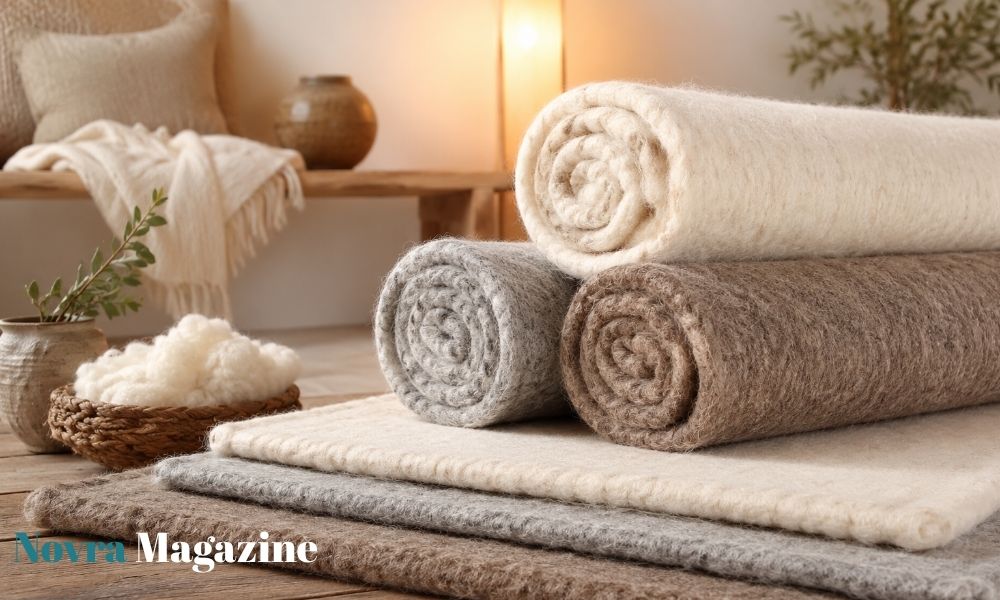
Wollmatten are natural wool mats, usually made from sheep wool, that are used in gardens as mulch mats, weed-control layers, moisture holders, and plant protection covers. Garden experts and wool-gardening guides explain that sheep wool can help retain soil moisture, reduce weeds, improve soil life as it breaks down, and even make it harder for slugs to move around plants.
Quick Overview
| Detail | Information |
|---|---|
| Keyword | Wollmatten |
| Meaning | Wool mats |
| Common Material | Sheep wool |
| Main Use | Gardening, mulching, weed control, plant protection |
| Best For | Raised beds, pots, vegetables, herbs, flowers, young trees |
| Main Benefits | Holds water, blocks weeds, protects soil, slowly feeds plants |
| Eco-Friendly? | Yes, if made from natural untreated wool |
| Reusable? | Sometimes, depending on thickness and condition |
| Biodegradable? | Yes, natural wool breaks down over time |
| Main Search Reason | People want to know how Wollmatten work and if they are worth buying |
What Are Wollmatten?
Wollmatten are mats made from wool. The word comes from German. “Wolle” means wool, and “Matten” means mats. So, Wollmatten simply means wool mats.
In gardening, Wollmatten are often used like a natural mulch layer. You place them on top of the soil around plants. They help cover the ground, keep moisture in the soil, stop some weeds from growing, and protect the roots from strong heat or cold.
Many Wollmatten are made from sheep wool. Some are thick and soft. Others are pressed into flat mats. Some are sold in round shapes for pots, while others come as long rolls for garden beds.
Why Are Wollmatten Becoming Popular?
Wollmatten are becoming popular because more gardeners want natural and eco-friendly garden products. Many people do not want plastic weed fabric anymore because plastic can break down into small pieces and harm the soil.
Wool is different. It comes from sheep. It is natural. It can break down slowly in the soil. It can also hold water, which is very useful in hot weather.
Gardeners also like Wollmatten because they are simple to use. You do not need special tools. You only place the mat around your plants and let it work.
How Do Wollmatten Work?
Wollmatten work by covering the soil. This simple layer gives many benefits.
First, the mat blocks sunlight from reaching weed seeds. Without sunlight, many weeds cannot grow well.
Second, the wool holds water. When you water the plant, the wool can absorb some moisture and slowly release it back to the soil.
Third, the mat protects the soil surface. This helps stop the soil from drying too fast in summer. It can also protect roots from sudden temperature changes.
Fourth, wool slowly breaks down over time. As it decomposes, it can add nutrients to the soil.
Wollmatten for Weed Control
One of the main reasons people use Wollmatten is weed control. Weeds need light, space, and air to grow. A wool mat covers the soil and makes it harder for new weeds to push through.
This does not mean Wollmatten stop every weed forever. Strong weeds may still grow around the edges or through holes. But they can reduce the number of weeds and make garden care easier.
For best results, remove existing weeds before placing the mat. Then lay the Wollmatten flat on the soil and press them down gently.
Wollmatten for Water Saving
Wollmatten can help save water because wool holds moisture well. This is useful for people who grow vegetables, flowers, herbs, or balcony plants.
When soil is open to the sun, water evaporates quickly. A wool mat works like a soft blanket over the soil. It slows down evaporation and keeps the root area moist for longer.
This can mean fewer watering sessions, especially in warm weather. It is very helpful for raised beds, containers, and young plants that dry out quickly.
Wollmatten for Slug Protection
Many gardeners also use Wollmatten because slugs and snails may not like moving over wool. The rough wool fibers can feel uncomfortable for them.
This does not make Wollmatten a perfect slug solution. In wet weather, wool can become heavy and less effective. Slugs may still find another path if plants are very attractive to them.
But as part of a natural garden plan, Wollmatten can help. You can use them around lettuce, cabbage, strawberries, herbs, and young seedlings.
Wollmatten as Natural Fertilizer
Wool contains nutrients that can slowly return to the soil as it breaks down. This is one reason gardeners like sheep wool products.
Wollmatten do not work like fast chemical fertilizer. They break down slowly. That means they feed the soil over time instead of giving plants a quick boost.
This slow effect is useful because it supports long-term soil health. It can help plants grow in a more natural way.
Best Places to Use Wollmatten
Wollmatten can be used in many garden areas. They are especially useful where soil dries fast or weeds become a problem.
You can use them in:
Vegetable beds
Raised beds
Flower beds
Herb gardens
Balcony pots
Planters
Greenhouses
Young tree bases
Strawberry beds
Tomato containers
They are also useful for gardeners who want a cleaner, more natural-looking soil cover.
Wollmatten for Raised Beds
Raised beds dry faster than normal garden soil because they are above ground and have more air around them. This makes Wollmatten very useful.
Place the mat around plants after watering. The wool will help hold moisture and protect the soil.
In raised beds, Wollmatten can also reduce weed growth. This keeps the bed easier to manage and saves time.
They are especially useful for tomatoes, peppers, cucumbers, lettuce, herbs, and strawberries.
Wollmatten for Pots and Balcony Plants
Balcony plants often suffer because pots dry out quickly. In hot weather, a small pot can become dry in only a few hours.
Wollmatten can help by covering the pot soil. This reduces water loss and keeps the plant roots cooler.
For pots, use round wool mats or cut a bigger mat into the right shape. Make a small hole in the middle for the plant stem. Then place the mat on top of the soil.
This is simple and very helpful for busy plant owners.
Wollmatten for Strawberries
Strawberries are a great plant for Wollmatten. The mat keeps fruits away from direct soil contact. This can help keep berries cleaner and reduce rot.
Wool also helps hold moisture around the strawberry roots. At the same time, it can make it harder for some slugs to reach the fruit.
If you grow strawberries in a bed or pot, place the Wollmatten around the plants before fruits start to form.
Wollmatten for Tomatoes
Tomatoes need steady moisture. If the soil becomes too dry and then too wet, tomatoes can suffer. This can lead to stress and fruit problems.
Wollmatten help keep the soil more even. They slow down drying and protect the root area.
Use them after planting tomatoes. Water the soil first, then place the mat around the base of the plant. Keep the wool slightly away from the main stem to avoid too much moisture touching the stem.
Wollmatten for Young Trees
Young trees need strong root growth. During the first years, they can suffer from weeds, dry soil, and temperature stress.
A wool mat around the tree base can help. It keeps weeds down and holds moisture near the roots.
Make sure the mat does not touch the tree trunk directly. Leave a small open ring around the trunk so air can move and the bark stays healthy.
How to Use Wollmatten Correctly
Using Wollmatten is easy.
First, clear the soil. Remove weeds, stones, and dry plant waste.
Second, water the soil well. Wollmatten work best when placed over moist soil.
Third, place the wool mat around the plant. Cut holes if needed.
Fourth, press the mat gently so it touches the soil.
Fifth, water again lightly if the mat is very dry.
After that, check the mat from time to time. If it moves in wind, pin it down with small garden pegs or stones.
Should Wollmatten Touch the Plant Stem?
It is better to leave a small space around the plant stem. If the wool stays wet and touches the stem all the time, it may cause problems for some plants.
A small gap helps air move and keeps the plant base healthier.
For trees, always keep the mat away from the trunk. For vegetables, leave a small ring around the stem.
Are Wollmatten Good for All Plants?
Wollmatten are good for many plants, but not every plant needs them.
They are best for plants that enjoy steady moisture, like tomatoes, cucumbers, strawberries, peppers, herbs, flowers, and young trees.
They may not be ideal for plants that like very dry soil, such as some Mediterranean herbs or drought-loving plants. If a plant hates too much moisture, use Wollmatten carefully.
Always match the mat to the plant’s needs.
Are Wollmatten Biodegradable?
Yes, natural wool mats are biodegradable. This means they can break down over time.
That is one of their biggest benefits compared with plastic weed fabric. Plastic may stay in the soil for a long time and break into tiny pieces. Wool slowly becomes part of the natural cycle.
However, always check the product before buying. Some mats may include synthetic binding or added materials. For the most eco-friendly option, choose untreated natural wool.
Do Wollmatten Smell?
Some Wollmatten may have a natural sheep wool smell, especially when new or wet. This smell is normal if the wool is untreated.
For most people, the smell becomes weaker after some time outside. Rain, air, and sunlight help reduce it.
If you are using Wollmatten on a balcony, the smell may be more noticeable at first. In a garden bed, it is usually less of a problem.
Do Wollmatten Attract Animals?
Wool has a natural smell, so some animals may be curious. Birds may also pull small wool pieces for nesting if the mat is loose.
This is not always a big issue, but it can happen. To reduce this, use well-pressed mats and secure them with garden pins.
If you have pets, watch them at first. Some dogs may try to sniff or pull the wool.
Wollmatten vs Plastic Weed Fabric
Wollmatten and plastic weed fabric both block weeds, but they are very different.
| Feature | Wollmatten | Plastic Weed Fabric |
|---|---|---|
| Material | Natural wool | Synthetic plastic |
| Soil Health | Can improve soil as it breaks down | Can block natural soil processes |
| Biodegradable | Yes, if pure wool | Usually no |
| Water Holding | Good | Depends on fabric type |
| Eco-Friendly | Usually better | Less eco-friendly |
| Lifespan | Breaks down over time | Lasts longer but may leave plastic waste |
If you want a natural garden, Wollmatten are usually the better choice.
Wollmatten vs Straw Mulch
Straw mulch is also natural and useful. It is cheaper in many places and easy to spread.
But Wollmatten can be cleaner and easier to control. Straw can blow away in wind and may contain seeds if it is low quality.
Wool mats stay in one layer and are easy to place around plants. They can also look neater in pots and small beds.
Both options are good. The best choice depends on your garden style and budget.
Wollmatten vs Wood Chips
Wood chips are popular for paths, shrubs, and ornamental beds. They last longer than many natural mulches.
Wollmatten are softer and better for vegetable beds, pots, and plants that need moisture. They also add different nutrients as they break down.
Wood chips are good for long-term ground cover. Wollmatten are better for focused plant protection and moisture control.
How Long Do Wollmatten Last?
The lifespan depends on thickness, weather, soil life, and moisture. Thin mats may break down faster. Thick mats can last longer.
In many gardens, wool products can last for one or more growing seasons. Some thicker wool mats may continue working for longer.
Over time, they will become thinner and blend into the soil. That is normal and part of their natural benefit.
Can You Compost Wollmatten?
Yes, pure wool mats can usually be composted. Cut them into smaller pieces first so they break down faster.
However, do not compost mats if they contain synthetic backing, plastic mesh, chemical treatments, or unknown glue.
Always check the product label. If it says 100% natural wool, composting is usually easier.
Are Wollmatten Expensive?
Wollmatten can cost more than straw or dry leaves. But they may save water, reduce weeding time, and improve soil over time.
For small gardens, pots, and raised beds, the price may be worth it. For very large gardens, they may be more expensive than other mulch options.
A good idea is to start small. Try Wollmatten around tomatoes, strawberries, or balcony pots first. Then decide if you want more.
How to Choose Good Wollmatten
Choose Wollmatten that are natural, thick enough, and free from harmful chemicals.
Look for:
100% sheep wool
No plastic backing
No strong chemical smell
Good thickness
Easy cutting
Clear product information
Biodegradable label
Suitable size for your garden
If possible, buy from local wool producers or garden shops. This supports farmers and reduces transport impact.
Common Mistakes When Using Wollmatten
Some gardeners make small mistakes when using Wollmatten.
They place the mat on dry soil.
They cover the plant stem too tightly.
They do not secure the mat in windy areas.
They expect it to stop every slug.
They use it on plants that prefer dry soil.
They forget to check under the mat for pests.
These mistakes are easy to avoid. Water first, leave stem space, pin the mat down, and check your plants regularly.
Are Wollmatten Worth It?
Yes, Wollmatten can be worth it if you want a natural, eco-friendly, and easy garden mulch.
They are especially useful if you struggle with dry soil, weeds, hot weather, or pot plants drying too quickly.
They are not magic. You still need to water, check plants, and remove weeds from time to time. But they can make gardening easier and more natural.
Who Should Use Wollmatten?
Wollmatten are good for:
Home gardeners
Balcony gardeners
Organic gardeners
Raised bed users
Vegetable growers
Strawberry growers
People in dry areas
People who want less plastic
People who want natural mulch
Gardeners who want fewer weeds
They are also good for people who like sustainable products.
Who Should Avoid Wollmatten?
Wollmatten may not be best for everyone.
Avoid or use carefully if:
You dislike natural wool smell.
You garden in very wet soil.
You grow plants that need dry roots.
You need a very cheap mulch for a large area.
You are allergic or sensitive to wool handling.
You need a long-lasting non-biodegradable barrier.
For most normal garden use, they are safe and useful.
Final Thoughts on Wollmatten
Wollmatten are natural wool mats that can help gardeners protect plants, save water, reduce weeds, and improve soil over time. They are especially useful in raised beds, pots, vegetable gardens, strawberry beds, and around young trees.
They are not a perfect solution for every garden problem, but they are a smart eco-friendly alternative to plastic weed fabric. They work best when placed on moist soil, kept slightly away from plant stems, and used with normal garden care.
For gardeners who want a simple, natural, and sustainable way to cover soil, Wollmatten are a strong choice.
FAQs About Wollmatten
What are Wollmatten?
Wollmatten are wool mats, usually made from sheep wool, used in gardens for mulching, weed control, moisture retention, and plant protection.
What does Wollmatten mean in English?
Wollmatten means “wool mats” in English.
Are Wollmatten good for gardens?
Yes, Wollmatten can be very good for gardens because they hold moisture, reduce weeds, protect soil, and slowly break down into natural material.
Do Wollmatten stop weeds?
Wollmatten can reduce weeds by blocking sunlight from the soil, but they may not stop every weed completely.
Do Wollmatten help save water?
Yes, wool can hold moisture and slow soil drying, so Wollmatten can help reduce watering needs.
Can Wollmatten stop slugs?
They may help reduce slug movement because slugs often dislike rough wool fibers, but they are not a perfect slug barrier.
Are Wollmatten biodegradable?
Yes, pure natural wool mats are biodegradable and can break down over time.
Can I use Wollmatten in pots?
Yes, Wollmatten are very useful in pots and balcony planters because they help keep soil moist.
How long do Wollmatten last?
They can last one or more growing seasons depending on thickness, weather, and soil conditions.
Are Wollmatten better than plastic weed fabric?
For eco-friendly gardening, Wollmatten are often better because they are natural and biodegradable, while plastic weed fabric can leave waste in the soil.
Visit for more info: Novra Magazine