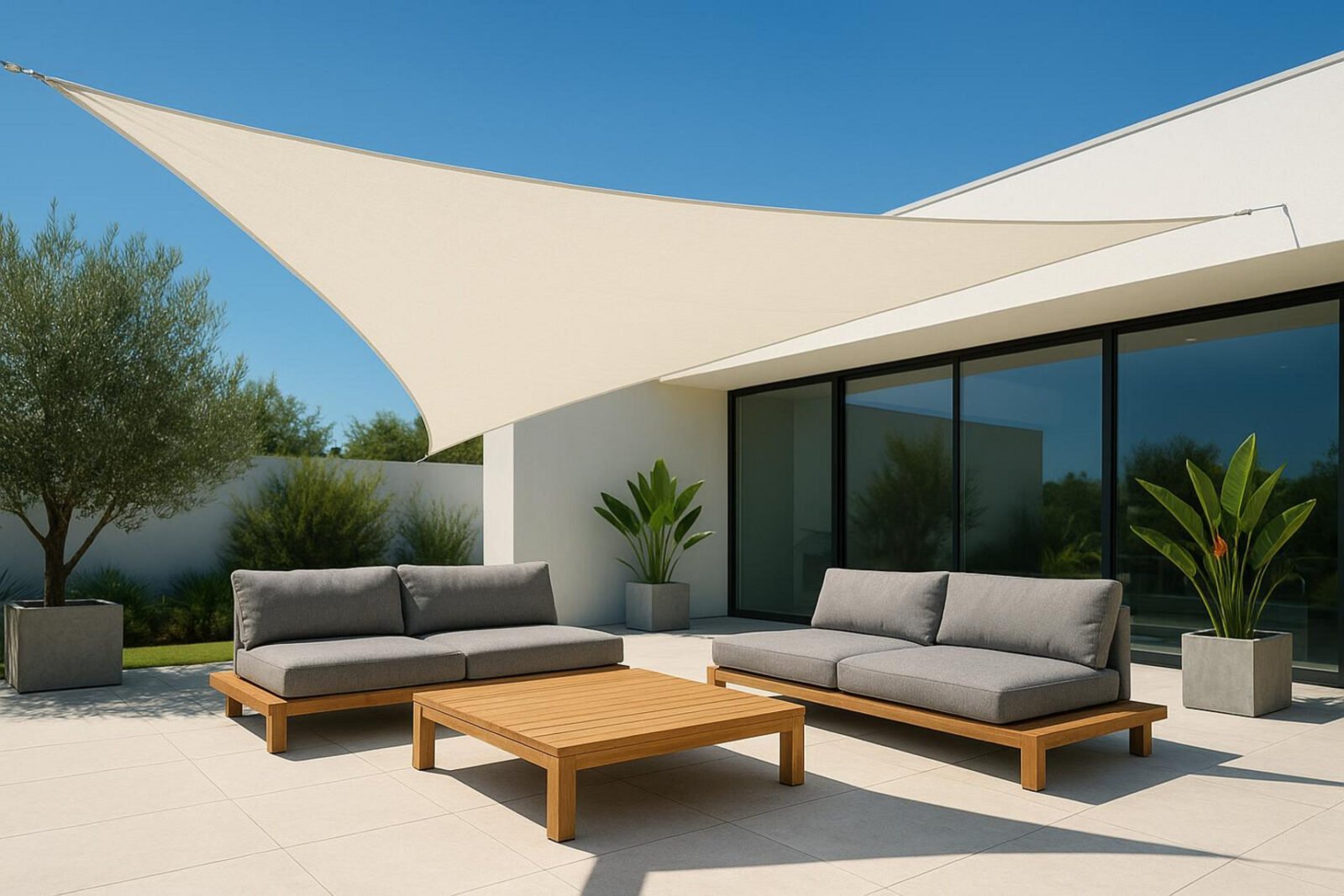
As temperatures keep rising, good shade outside matters more than before. Patios, decks, and gardens are now used like extra rooms, so comfort is a big deal. That’s where sun shade sails (also called shade sails or sun sails) come in. They give shade, but they also add a clean, modern look and strong protection.
If you choose a made-to-measure triangle sun shade sail, you get more than basic cover. You get a custom piece that fits your space, helps block UV rays, and keeps the area cooler.
If you want a custom option that also helps with rain, a waterproof triangle sun shade sail made to measure from Shade4You is a good place to start for updating almost any outdoor area.
Why Choose Made-to-Measure Triangle Sun Shade Sails for Outdoor Protection?
A made-to-measure triangle sun shade sail is a smart mix of practical use and good design. Because it is made for your exact space, it fits better and looks more “part of the plan” than a standard, ready-made sail. That’s why both homeowners and designers use them so often-to create outdoor areas that feel comfortable, protected, and visually appealing.
Key Benefits of Custom Triangle Shade Sails
Custom triangle shade sails come with several clear benefits. A made-to-measure sail gives you a clean fit even if your space has odd angles or exact sizing needs. That fit also helps you get more usable shade, with fewer awkward gaps. On top of that, many shade sails can block up to 98% of harmful UV rays, which helps lower sun exposure and makes the space nicer to spend time in.
Many sails use breathable fabric, which lets hot air move out instead of trapping it underneath. This can make the shaded area feel up to 25% cooler than solid shade structures, and can lower the air temperature by at least 10°. This can even help your indoor spaces by cutting down on heat coming through nearby windows and doors, which may reduce air conditioning use and power bills. Custom sails also often include reinforced seams at the edges, which helps prevent one of the most common failure points and can help the sail last longer.
What Makes Triangular Shade Sails Stylish?
Triangle shade sails look modern and simple in a good way. Their straight lines and clear shape add a fresh, architectural feel. Compared with large pergolas or standard umbrellas, a triangle sail can look lighter and less bulky. You can also set them up in many ways: one sail for a clean feature, or several sails for layered patterns. Changing the height and angle of each corner adds more shape and interest, so the sail becomes part of the design-not just a cover.
Where Are Triangle Sun Shade Sails Used Most Effectively?
Triangle sails work well in many places. Since they often take up less space than big rectangles, they’re great for smaller areas like:
- Balconies in towns and cities
- Small patios
- Garden seating corners
They also work well for short-term use, like parties or events, because they can be put up and taken down more easily than permanent structures.
Their biggest advantage often comes when you use more than one. Several triangle sails can cover spaces that are awkward or hard to shade with one large square or rectangle. This lets you create different shade zones and a more interesting overall layout.
Should You Choose a Triangle Shade Sail Over Other Shapes?
Picking a shade sail shape affects how it looks and how well it covers your space. All shapes can work well, but triangles stand out if you want a modern look and flexible design options.
Comparing Triangle, Square, and Rectangle Shade Sails
Shade sails usually come as square/rectangle shapes or triangle shapes. Squares and rectangles are often used for bigger spaces because they can cover a wide area in one piece, similar to a simple roof. Because they are larger, they often need stronger posts and fixing points.
Triangle sails are usually better for smaller spaces and are often chosen for their appearance. A single square sail can be set with a “hypar” shape (two corners high and two low) to add strength and handle wind better. But several triangle sails give you more layout choices, especially for unusual spaces. Both shapes are widely available in standard sizes, and manufacturers such as Shade4You also sew them to measure, which helps when the area you want to cover isn’t a neat rectangle.
If you combine multiple sails, leave an overlap of at least 12 inches to reduce shade gaps and to avoid the fabrics rubbing and wearing out.
When to Use Triangular Designs for Maximum Impact
Triangle sails are a strong choice when you want a bold look or you need to shade an area that isn’t a simple square. They work especially well when you want to:
- Create a focal point: The shape naturally catches attention.
- Shade small or awkward areas: Good for narrow spaces and specific seating spots.
- Layer and overlap for a stronger design: Several triangles can create “fan-like” layouts or larger custom shapes.
- Add a more architectural feel: A sloped setup (at least 15 degrees) looks good and helps water run off.
- Match modern homes: The clean lines fit well with modern and minimalist styles.
With the right setup, triangle sails give both sun protection and a stylish outdoor atmosphere.
What Types of Fabrics and Materials Are Used for Triangle Sun Shade Sails?
How well a shade sail works, and how long it lasts, depends a lot on the fabric and build quality. Knowing the basics helps you choose the right sail for your needs.
Are Triangle Shade Sails Waterproof or Water Resistant?
Rain protection depends on the fabric. Many standard shade cloth sails are great for UV protection and airflow, but they don’t stop rain.
Some higher-quality sails use High Density Polyethylene (HDPE). This material can act like a thin water-resistant layer that repels some moisture. For true waterproof performance, sails are usually made with thicker HDPE plus an extra waterproof treatment. Even then, many can still allow heat to escape, which helps keep the shaded area cooler.
No matter what the label says, setup matters. Install the sail at an angle (or with a twist) and keep it tight so water doesn’t pool and sag the fabric.
How Does UV Protection Work in Sun Shade Sail Fabrics?
Shade sails protect you from UV rays mainly through the fabric weave and the material itself. Good HDPE fabric can block up to 98% of harmful UV rays. This helps protect skin and also reduces fading and damage to outdoor furniture, decking, and other surfaces.
Fabric weight (often shown as gsm-grams per square meter) also matters. Heavier fabric usually blocks more UV. Because HDPE is breathable, it still lets air move through, which helps prevent heat from building up under the sail.
Which Materials Increase Strength and Durability?
HDPE is known for lasting well outdoors. Many shade sails last from 3 to 10 years, depending on weather and use. Heavier HDPE fabrics (often around 160 gsm to 260 gsm) usually last longer than lighter ones.
In many cases, seams fail before the fabric does. Reinforced seam edges help a lot here. Hardware quality matters too. Stainless steel turnbuckles, snap hooks, and shackles should be strong enough for your local wind and weather, so the sail stays secure over time.
How to Select the Right Triangle Sun Shade Sail Dimensions and Style
Picking the right made-to-measure triangle sail is not just about choosing a color you like. You also need the right size, coverage, and overall look for your space.
Measuring Your Outdoor Space for a Made-to-Measure Fit
Because the sail is made to your measurements, accuracy matters. Start by deciding exactly where you want shade. Then choose your anchor points, such as:
- Walls
- Strong posts
- Support poles made for shade sails
Measure the distance between each anchor point (three corners for a triangle). Leave room for tensioning hardware like turnbuckles, which can add a few inches on each side. Plan the corner heights too. A slope of at least 15 degrees helps rain flow off and also looks better.
A simple sketch can help you see how the sail will sit and how the sun moves over the area during the day. If the space is complex, getting professional help can save time and prevent ordering the wrong size.
Popular Triangle Shade Sail Sizes and Design Layouts
Triangle sails come in many sizes, from small balcony covers to large multi-sail layouts. One triangle works well for a focused shaded spot. For bigger areas, triangles work best when used together.
Common layout ideas include:
- Several triangles side-by-side for wider coverage
- Slight overlapping (keep at least 12 inches to prevent rubbing)
- Staggered sails to create a “folding fan” look
- Combining triangles to create larger custom shapes
These setups can provide wide shade while also making the space feel more designed and finished.
Color and Style Considerations for Outdoor Aesthetics
Color affects both comfort and appearance. Lighter colors (like off-white or sand) reflect more light and heat, which can help keep the area cooler. Darker colors (like charcoal or deep blue) can look more dramatic, may feel warmer underneath, and can sometimes give slightly better UV performance.
Think about how the color matches your house, furniture, paving, and plants. A triangle sail already adds a modern style, so picking a color that fits your space helps it look like it belongs there, not like an afterthought.
What Is the Installation Process for Triangle Shade Sails?
Shade sails are usually simpler than building a permanent structure, but you still need a good plan to make the setup safe, strong, and good-looking. Installation comes down to strong anchor points, the right hardware, and proper tension.
Mounting Options: House, Wall, and Pole Attachments
Start by choosing anchor points. Using existing structures can save money and effort. Many people attach sails to the house, often at the fascia board. If you attach to fascia, it must be firmly fixed to rafters with screws (not nails). Extra support like L-brackets or hurricane hangers can help. The best location is near where the rafter meets the fascia, because that area is strongest.
If you don’t have good existing anchor points, you may need support posts. Common choices include:
- 6×6 treated wood posts
- Steel pipe posts (at least 3 inches wide)
A common rule for footing depth is half the above-ground post height. Example: if 12 feet is above ground, you may need a 6-foot footing (18 feet total post length). Before digging, contact local utility services to mark water and gas lines (often free). Footings should be at least 12 inches wide and filled with enough concrete to hold the load.
Essential Hardware for Safe and Secure Mounting
Good hardware matters for safety and long-term use. You may use:
| Hardware type | Common use |
| Turnbuckles | Adjusting and tightening the sail |
| Snap hooks / shackles | Connecting corners to anchor points |
| Pad eyes / eye bolts | Fixed anchor points on walls or posts |
| Steel cable / rope / chain | Extra reach or flexible connections |
You can buy parts separately or use a full kit made for triangle sails. All hardware must be rated for the weather in your area, especially wind. A building engineer can help if you need guidance for local wind loads and safe mounting.
Tensioning Techniques for a Firm, Long-Lasting Fit
Getting the sail tight is one of the most important parts. If the sail is loose, it can sag, flap in the wind, wrinkle, and collect rainwater.
Basic tensioning steps:
- Fix hardware to each anchor point so it points toward the center of the sail.
- Attach one corner first.
- Stretch the other corners as tight as possible before connecting them.
- Use a rope or ratchet strap if needed, especially for the final corner.
- Use turnbuckles (if included) to fine-tune the final tightness.
The goal is even tension across all corners, with no sagging fabric.
How to Ensure Lasting Performance and Maintenance of Your Shade Sail
A made-to-measure triangle shade sail is a long-term purchase for outdoor comfort. To keep it working and looking good, it helps to know what affects lifespan, how to clean it, and what issues to watch for.
Expected Lifespan and Factors Affecting Durability
Many shade sails last around 3 to 10 years. Lifespan depends on:
- Fabric quality and weight (higher gsm often lasts longer)
- Reinforced seams (since seams often fail first)
- Correct installation and strong tension
- Local weather (UV levels, wind, heavy rain)
Check the sail and hardware regularly for small problems like fraying, loose fittings, or worn seams. Fixing small issues early helps prevent bigger damage later.
Seasonal Care and Cleaning Recommendations
Cleaning is simple. Use mild soap, lukewarm water, and a soft brush or sponge. Avoid harsh cleaners and pressure washers, which can damage the fabric and coatings. Rinse well and let the sail fully air dry before storing it.
If you live in an area with heavy snow or very strong winds, taking the sail down in the off-season is strongly recommended. Store it clean and dry in a sheltered place, away from dampness and pests.
Common Issues and How to Prevent Them
A few problems come up more often than others:
- Sagging and water pooling: Usually caused by low tension or not enough slope. Keep the sail tight and use at least a 15-degree angle.
- Tears or fraying: Often caused by rubbing on sharp edges or sails being too close together. Keep the 12-inch spacing recommendation and check for friction points.
- Fading: Quality UV-stabilized fabric resists fading, but strong sun over time can still affect color. Choosing a good brand and warranty helps.
Good setup, regular checks, and seasonal care can help your sail last longer and keep its shape and look.
Transform Your Outdoor Living Space with a Made-to-Measure Triangle Sail
Outdoor spaces matter more than ever. They’re used for relaxing, spending time with friends, and enjoying fresh air. A made-to-measure triangle sun shade sail can change how your space feels and works. It adds shade, lowers heat, and improves the look of the area at the same time.
Compared with pergolas, awnings, or umbrellas, a custom triangle sail often feels cleaner and more modern, without the heavy look of some older shade options. It can also create a more interesting overhead design, help manage temperature, and offer strong UV protection. As hot weather becomes more common, smart and stylish shade solutions will matter even more. A made-to-measure triangle sail gives you a comfortable, protected, and good-looking outdoor spot that you can enjoy for years.