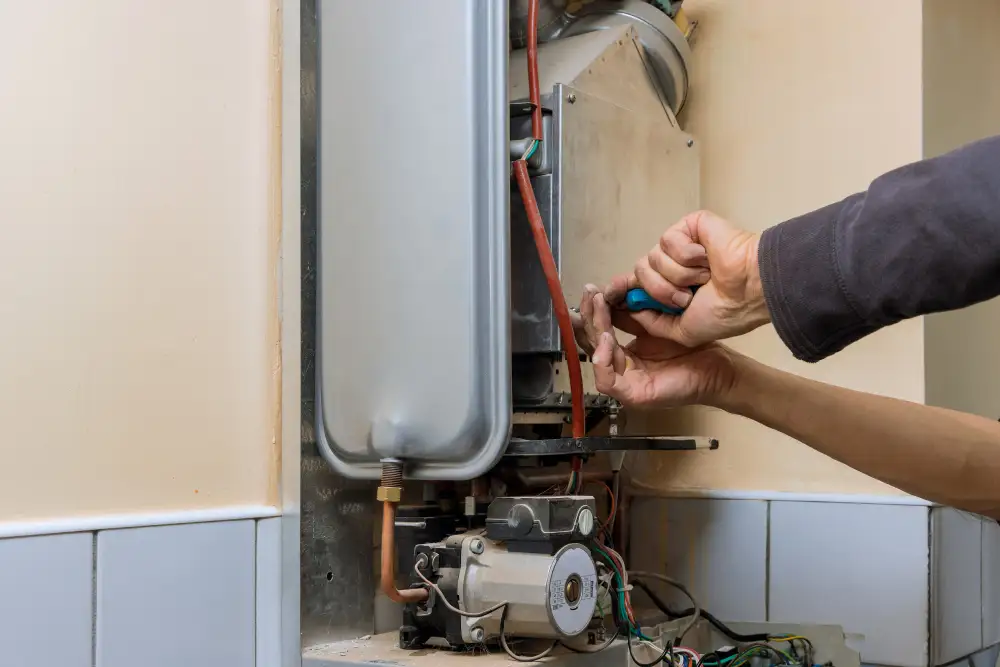
A boiler that won’t ignite is one of the most common reasons for a cold house and an unexpected callout, and the causes almost always fall into a handful of recurring categories. Baxi boilers often display this as an E1 fault, and if you’ve been searching for how to fix E1 error on baxi boiler issues, understanding what’s actually happening behind that code makes the difference between a five-minute fix and a wasted afternoon.
This guide breaks down the most frequent ignition problems, what typically causes each one, and which checks are safe to try before calling a Gas Safe registered engineer.
Boiler ignition problems usually stem from one of four causes: low system pressure preventing the boiler from firing, a frozen condensate pipe blocking safe operation, a fault with the flame sensor or ignition electrode, or a genuine gas supply interruption. Checking pressure and the condensate pipe first resolves many cases without needing a professional visit.
How Boiler Ignition Is Supposed to Work
Every modern gas boiler follows a consistent sequence each time it fires up, and understanding this sequence helps pinpoint exactly where a fault has occurred.
The control board first checks system pressure and safety conditions, then opens the gas valve while the ignition electrode produces a spark. A flame sensor confirms combustion has actually started. If any step in this chain fails, whether pressure is too low, gas isn’t flowing, or the flame isn’t detected, the boiler stops and displays a fault code rather than continuing unsafely.
Boiler Startup Failures: The Four Most Common Causes
Most ignition problems trace back to one of these underlying issues, regardless of brand or model.
- Low system pressure preventing the boiler from attempting to fire safely
- A frozen condensate pipe blocking the safe removal of combustion waste
- A worn or dirty ignition electrode failing to produce a reliable spark
- A genuine gas supply interruption affecting the whole property
Boiler startup failures caused by the first two are often resolved without professional help, while the latter two typically need a qualified engineer to diagnose and fix.
Understanding the Baxi E1 Fault Code
The Baxi E1 code is part of a wider family of related fault codes, and its exact trigger can vary slightly depending on the specific circumstances behind it.
In many cases, E1 relates to the boiler failing to ignite after several attempts, often triggered by insufficient water pressure preventing the system from operating safely. Checking the pressure gauge first and topping up through the filling loop if it reads below 1.0 bar resolves this specific scenario in the majority of cases.
Ignition Lockout Recovery: What to Try First
When a boiler locks out after a failed ignition attempt, a structured approach usually clears straightforward causes quickly.
Ignition lockout recovery typically starts with checking system pressure and topping up if needed, inspecting the external condensate pipe for ice during cold weather, and confirming other gas appliances in the home are working normally. Once these basics are checked, a single reset following the manufacturer’s instructions is reasonable. If the fault returns immediately, stop resetting and book a professional.
Burner Ignition Faults: When the Spark Itself Is the Problem
Sometimes the issue isn’t pressure or gas supply at all, but the physical components responsible for creating the spark that lights the burner.
Burner ignition faults often stem from a worn or dirty ignition electrode, which loses its ability to produce a consistent, reliable spark over years of use. Debris or condensation build-up around the electrode can also interfere with ignition, even when the component itself isn’t fully worn out. This type of fault sits behind the boiler’s sealed casing and needs a Gas Safe engineer to address safely.
Flame Sensing Problems: Why the Boiler Shuts Off Even When It’s Lit
Occasionally a boiler successfully ignites but shuts down again almost immediately, which points to a different part of the system entirely.
Flame sensing problems occur when the flame sensor fails to detect that combustion is actually taking place, even though the burner has lit successfully. A dirty or misaligned sensor is often the cause, sending an inaccurate signal to the control board that triggers an unnecessary shutdown. This fault requires cleaning or replacing the sensor, work that should only be carried out by a qualified engineer.
Comparing the Most Common Ignition Fault Causes
| Cause | Typical Trigger | DIY Check Possible |
| Low system pressure | Leak, recent bleeding, or valve fault | Yes, top up via filling loop |
| Frozen condensate pipe | Cold weather blocking waste removal | Yes, thaw carefully |
| Worn ignition electrode | Age, debris, or condensation | No, needs an engineer |
| Faulty flame sensor | Dirt or misalignment | No, needs an engineer |
| Gas supply interruption | Meter, valve, or wider supply issue | Yes, check other appliances |
Combustion System Checks: What an Engineer Actually Looks At
Once the simple, homeowner-safe checks are exhausted, a professional visit follows a structured diagnostic process of its own.
Combustion system checks typically include testing gas pressure at the boiler, inspecting the ignition electrode and flame sensor for wear or contamination, checking the flue for blockages, and confirming the printed circuit board is sending correct signals throughout the ignition sequence. This structured approach identifies the exact point of failure rather than replacing components on a guess.
When to Stop Troubleshooting and Call a Professional
Certain signs mean it’s time to stop attempting fixes yourself and bring in a Gas Safe registered engineer.
Call a professional if the fault code returns immediately after resetting, if you smell gas at any point, if other gas appliances in the home have also stopped working, or if the boiler has ignited but shut down again within seconds. These situations point toward component faults rather than a simple, temporary interruption.
Frequently Asked Questions
What does it mean when a boiler won’t ignite?
It usually means the boiler attempted to light the burner but couldn’t confirm safe conditions, often due to low pressure, a frozen pipe, or an ignition system fault.
What causes the Baxi E1 fault code?
It frequently relates to failed ignition attempts, often triggered by low water pressure, though other underlying causes are possible depending on the specific model.
Can I fix an ignition fault myself?
Checking pressure, thawing a frozen condensate pipe, and confirming gas supply are safe to try. Faults involving the ignition electrode or flame sensor need a professional.
Is it safe to keep resetting a boiler with an ignition fault?
No. Repeated resets without addressing the underlying cause can worsen the fault and shouldn’t be relied on as a repair.
How do I know if the fault is my boiler or my gas supply?
Check whether other gas appliances in the home are working. If they aren’t, the issue is likely the supply rather than the boiler itself.
How can I prevent ignition faults from happening again?
Annual servicing by a Gas Safe engineer catches electrode wear, sensor issues, and pressure problems before they cause a lockout.
Getting Your Boiler Firing Reliably Again
Boiler ignition problems almost always trace back to one of a small number of causes, and understanding which category applies helps you respond with confidence rather than guesswork. Simple checks resolve many cases, while electrode and sensor faults always need proper professional diagnosis.
0800 Homefix provides Gas Safe registered boiler repairs across London and the South East, including specialist diagnosis of ignition faults such as Baxi E1, backed by a 24/7 emergency response and no call-out fee.