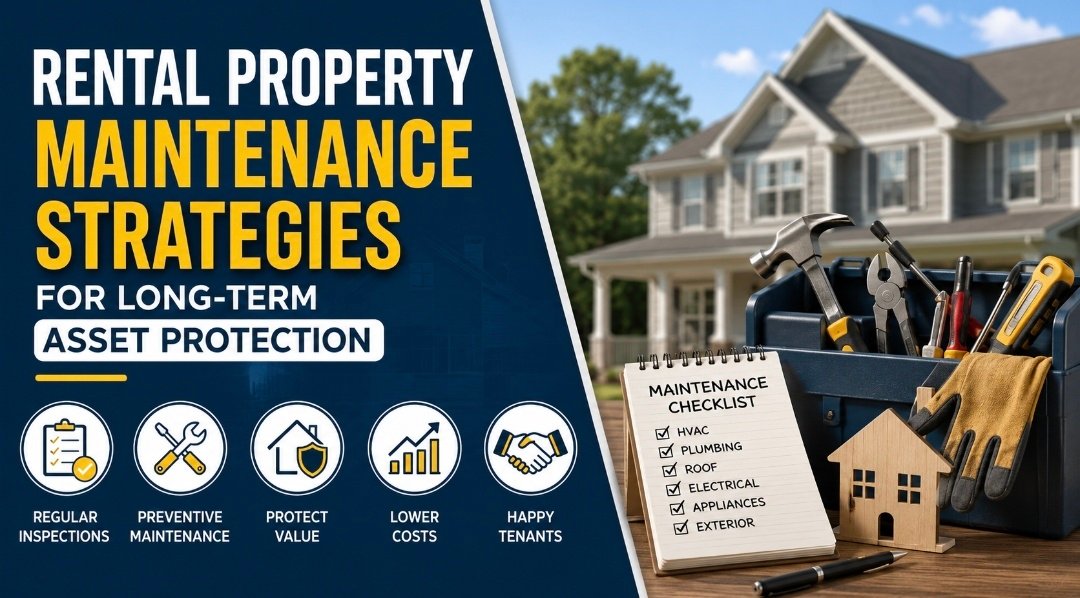
Owning a rental property is one thing. Keeping it in shape—year after year—is something else entirely. Many landlords learn this the hard way, discovering that deferred maintenance quietly chips away at property value until a small problem becomes a very expensive one.
Whether you own a single long-term rental or manage multiple units, a proactive maintenance strategy is your best defense against unnecessary costs and declining asset value.
Why Proactive Maintenance Matters More Than You Think
Reactive maintenance—fixing things only after they break—costs significantly more than preventative care. A small roof leak left unattended can lead to structural damage. An HVAC system that skips its annual service might fail mid-winter, displacing tenants and triggering emergency repair costs.
Beyond cost savings, well-maintained properties attract better tenants, reduce vacancy periods, and command stronger rental income. The connection between upkeep and value preservation is direct and measurable.
Core Maintenance Strategies Every Landlord Should Follow
Seasonal inspections set the foundation. Schedule walkthroughs each season to identify wear before it worsens—check windows, seals, gutters, and weatherproofing ahead of winter.
HVAC systems deserve attention at least twice a year. Replace filters regularly, service units before peak seasons, and address any inefficiencies early. This extends equipment lifespan and reduces energy costs.
Plumbing and roofing are two of the most common sources of costly damage. Annual inspections by licensed professionals can catch minor issues—slow drains, cracked flashing, deteriorating sealant—before they escalate.
Don’t overlook exterior maintenance, either. Landscaping, drainage, and weatherproofing all affect curb appeal and structural integrity.
Vacation Rental Property Management Specifics
Vacation rentals operate under different pressures. High guest turnover means accelerated wear on appliances, furniture, flooring, and fixtures. This makes disciplined vacation rental property management essential, not optional.
Each turnover should include a structured cleaning protocol with periodic deep cleans scheduled quarterly or seasonally. Equally important is clear guest communication—house rules, appliance usage guidelines, and reporting procedures help prevent unnecessary damage.
Effective vacation rental property management also requires a fast-response system for maintenance emergencies. A guest who encounters a broken air conditioner or a plumbing issue expects resolution quickly. Delays lead to poor reviews, refund requests, and long-term damage to your rental reputation.
Documentation and Record-Keeping
Thorough records protect you financially and legally. Maintain a maintenance log that tracks every repair, inspection, and contractor visit—complete with dates, costs, and receipts. Before and after photography creates an accurate condition report and supports insurance claims when needed.
From a tax perspective, documented maintenance expenses are often deductible. Keeping organized records throughout the year makes tax season far less stressful.
Cost-Effective Maintenance Tips
Start with a dedicated maintenance budget—most experts suggest setting aside 1–2% of the property’s value annually. A contingency fund on top of that cushions against unexpected repairs.
When prioritizing work, address structural and functional repairs first. Cosmetic upgrades can wait. Building relationships with trusted local contractors pays off too—you’ll get faster response times, fair pricing, and reliable work.
Scheduling non-urgent maintenance during off-peak seasons is a smart move, particularly for vacation rental property management. Contractors are more available, rates may be lower, and you avoid disrupting high-occupancy periods.
The Long-Term Payoff of Consistent Upkeep
Consistent maintenance compounds over time. Properties that are well cared for hold their value, attract quality tenants, and generate steadier rental income. Tenant turnover—one of the most expensive realities of property ownership—drops significantly when tenants live in a property that’s promptly maintained.
For those in vacation rental property management, quality upkeep directly influences booking rates and pricing power. Guests pay more for properties that feel well-cared-for. Positive experiences translate to repeat bookings and stronger occupancy rates year-round.
Build Your Maintenance Strategy Now
There’s no single blueprint that works for every property. But the core principle holds across all rental types: systematic, proactive care protects your investment far better than reactive fixes ever will.
Start by auditing your current maintenance approach. Identify gaps—whether that’s inconsistent inspections, missing documentation, or no emergency response plan. From there, build a schedule that fits your property type and budget. The earlier you develop a personalized maintenance strategy, the stronger your asset protection will be over the long run.