Cognitive behavioral therapy and dialectical behavior therapy are two of the most widely used structured psychotherapies in clinical practice. Both are evidence-based, both are skills-focused, and both involve working actively with thoughts and behaviors rather than primarily talking through the past.
Despite the overlap, they were developed for different populations and clinical problems, and the question of CBT vs DBT is not simply a matter of preference – it is a clinical decision that depends on what a patient is actually dealing with and how their difficulties are showing up in daily life.
What Are the Core CBT vs DBT Differences?
The core difference between CBT and DBT lies in what each therapy was built to address. CBT was developed to treat depression and anxiety by identifying and modifying the distorted or unhelpful thinking patterns that maintain emotional distress. The underlying assumption is that thoughts, feelings, and behaviors are interconnected – change the thought, and the feeling and behavior tend to follow.
DBT was developed specifically for borderline personality disorder, a condition characterized by intense emotional dysregulation that standard CBT did not adequately address. Its developer added acceptance-based strategies, drawn from mindfulness and Buddhist philosophy, to the change-focused framework of CBT.
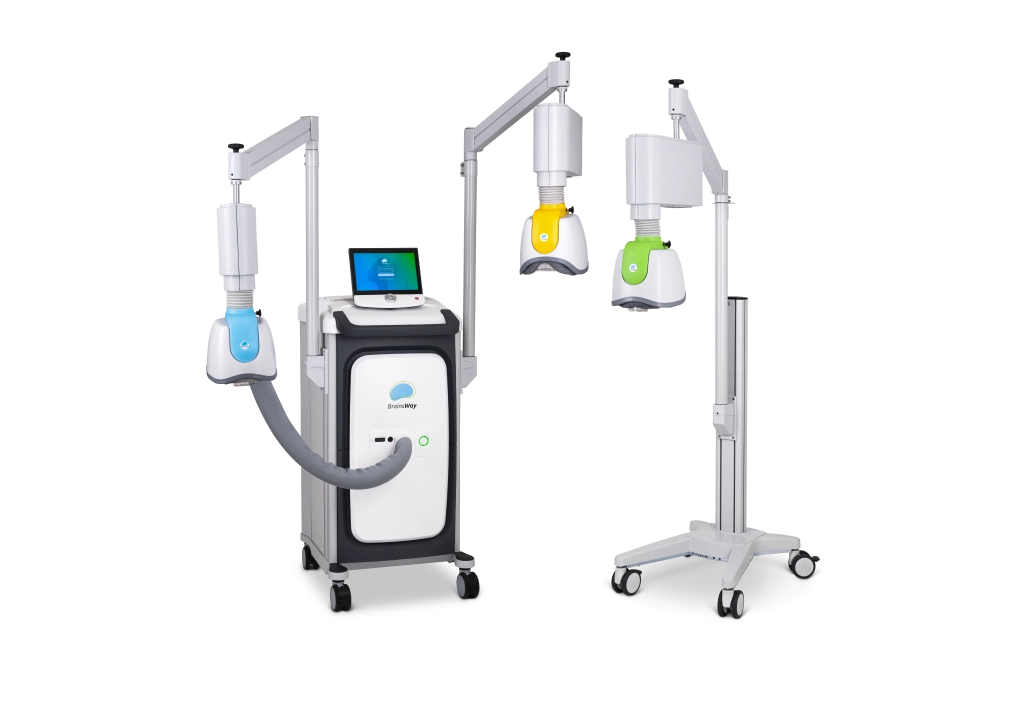
For patients in New York who haven’t responded well to therapy alone, options like TMS in Brooklyn have become part of the broader conversation when standard psychological treatments need additional support.
The result is a therapy built around the dialectic between acceptance and change, which is where the name comes from.
In practical terms, the CBT vs DBT differences come down to this: CBT focuses primarily on identifying and restructuring distorted thinking. DBT does that too, but it places equal weight on teaching the patient to accept and tolerate distress without making things worse, and on regulating emotions that are too intense to think clearly through.
What Does CBT vs DBT Therapy Look Like in Practice?
CBT vs DBT therapy looks structurally different even within a standard session. CBT sessions typically involve reviewing homework from the previous week, identifying a target thought or belief, examining the evidence for and against it, and practicing a more balanced alternative. The work is largely cognitive – finding the thought, testing it, and changing it.
DBT sessions are more varied. Standard DBT includes four components:
- Individual therapy – weekly one-on-one sessions addressing specific behavioral targets and applying DBT skills to recent crises or difficulties
- Skills training group – a structured group that functions more like a class, teaching four skill modules: mindfulness, distress tolerance, emotional regulation, and interpersonal effectiveness
- Phone coaching – brief between-session calls to help patients apply skills in real-time crises
- Therapist consultation team – a peer supervision structure for DBT therapists, built into the model
CBT does not typically include all of these components. It is usually delivered through individual sessions alone, sometimes with structured workbook exercises between appointments.
The additional components of DBT reflect its origins in treating a population in frequent crisis – they exist because skills learned in a therapy room need active support to transfer into daily life under emotional pressure.
What Are CBT vs DBT Examples by Condition?
Understanding CBT vs DBT examples by clinical condition makes the distinction more concrete.
For someone with social anxiety disorder, CBT would target the specific beliefs driving avoidance, for example, the assumption that others are judging harshly or that embarrassment is catastrophic, and use behavioral experiments and exposure exercises to test those beliefs in practice.
DBT is not typically the first-line approach for social anxiety unless significant emotional dysregulation is also present.
For someone with borderline personality disorder, DBT addresses the emotional intensity and behavioral instability that CBT alone has not historically managed well.
A patient who self-harms in response to overwhelming feelings of rejection would work in DBT on distress tolerance skills to survive the feeling without acting on it, emotional regulation skills to reduce the intensity, and interpersonal effectiveness skills to address the relational triggers more directly.
For eating disorders, both have evidence – CBT-E (enhanced CBT) is the most well-evidenced treatment for bulimia nervosa and is recommended as first-line by NICE guidelines. DBT has been adapted for binge eating disorder and emotional eating presentations where dysregulation is central to the behavioral pattern.
How Does DBT vs CBT for Depression Compare?
DBT vs CBT for depression is a question with a reasonably clear answer based on available evidence: CBT has the stronger and longer-established evidence base for treating depression specifically.
Meta-analyses have consistently found CBT to be effective for moderate to severe depression, and it is recommended as a first-line psychological treatment in most international clinical guidelines including those from NICE and the APA.
DBT for depression is a newer application. A 2022 systematic review and meta-analysis published in the Journal of Affective Disorders examined DBT skills-training groups across common mental health disorders and found evidence supporting their use across several conditions.
Separately, a randomized pilot study specifically examining treatment-resistant depression found significant reductions in depressive symptoms following a 16-session DBT skills-training program.
The DBT approach for depression makes most clinical sense when the patient’s depressive episodes are driven or maintained by emotional dysregulation – when the intensity of emotional pain is so high that standard cognitive restructuring cannot get traction.
For straightforward MDD without significant dysregulation or self-harm, CBT remains the more established and efficient choice. For depression complicated by BPD features, chronic suicidality, or a history of repeated self-harm, DBT tends to produce better outcomes because it was designed for exactly that level of emotional complexity.
When Does DBT Outperform CBT?
DBT outperforms CBT in specific clinical contexts, particularly those involving chronic emotional dysregulation, repeated self-harm, or suicidal behavior.
The evidence for DBT in borderline personality disorder is the most established – multiple randomized controlled trials have demonstrated its superiority over treatment as usual for reducing self-harm frequency, suicide attempts, psychiatric hospitalizations, and dropout from treatment.
Conditions and presentations where DBT tends to show stronger outcomes than standard CBT include:
- Borderline personality disorder – DBT was developed for this population and remains the treatment with the most robust evidence
- Chronic suicidality and repeated self-harm – the crisis management components of DBT address these more directly than CBT’s cognitive framework typically allows
- Binge eating disorder with emotional triggers – DBT’s emotional regulation skills address the underlying dysregulation driving binge episodes
- Substance use disorders with emotional dysregulation – DBT has been adapted for dual-diagnosis presentations and shows meaningful results in reducing use alongside emotional instability
When Does CBT Outperform DBT?
CBT holds stronger evidence than DBT for several of the most common presenting problems in outpatient mental health:
- Major depressive disorder without significant emotional dysregulation
- Generalized anxiety disorder, panic disorder, and social anxiety disorder
- Specific phobias and health anxiety
- OCD – particularly when combined with exposure and response prevention
- PTSD – CBT-based trauma therapies such as CPT and Prolonged Exposure are among the most evidence-supported treatments available
The advantage CBT carries in these areas reflects decades of controlled trial data. DBT simply has not been tested at the same scale for these conditions because it was not designed for them.
Applying DBT to straightforward anxiety or depression when CBT would suffice also adds logistical burden – the full DBT model is intensive and resource-heavy compared to standard individual CBT.
How Should the Choice Between CBT vs DBT Be Made?
The choice between CBT vs DBT should be driven by clinical presentation rather than availability or patient preference alone. A patient with depression and panic disorder is most likely to benefit from CBT. A patient with BPD, repeated self-harm, and difficulty tolerating emotional distress needs what DBT was specifically designed to provide.
In practice, the choice is also shaped by what is locally available and what the treating clinician is trained in. When both are accessible, the clearest guide is whether emotional dysregulation is a central feature of the presentation – if it is, DBT’s structure and skills set are better suited. If the clinical picture is primarily cognitive in nature, CBT gets there more efficiently.
Frequently Asked Questions
Can CBT and DBT be used together, or does it have to be one or the other?
They can be combined. Many therapists integrate CBT techniques into DBT-informed work, and some treatment programs use both in sequence.
The full structured DBT model is usually kept intact when treating BPD or chronic self-harm, but elements from both therapies are often blended for less complex presentations.
How long does each therapy typically take?
CBT is generally shorter – most courses run between 12 and 20 sessions. Standard DBT is more intensive, typically lasting six months to a year when the full model is delivered, partly because the skills training group runs alongside individual therapy.
Are CBT and DBT available through public health systems, or mainly private practice?
Both are available through public systems in many countries, though access varies significantly by region. DBT is less consistently available because it requires specially trained therapists and a multi-component delivery structure, making it more resource-intensive to provide at scale.
Can these therapies be done online or through apps?
Yes. Both have been adapted for online delivery, and research supports the effectiveness of remote CBT in particular. DBT is more challenging to deliver fully online given the phone coaching and group components, though adapted virtual formats exist and have shown promising results.
What happens if someone doesn’t respond to either therapy?
Non-response does happen, and it usually prompts a clinical review of the diagnosis, the therapy fit, or both. Other evidence-based options exist, schema therapy, EMDR for trauma, and acceptance and commitment therapy (ACT) among them, and medication may be considered alongside or instead of talking therapy depending on the presentation.